Looking for the Signs
At times entrancingly beautiful and at other times vulnerable, fragile or even completely ravaged, many landscapes on our Earth are marked by the effects of climate change and human intervention in nature.
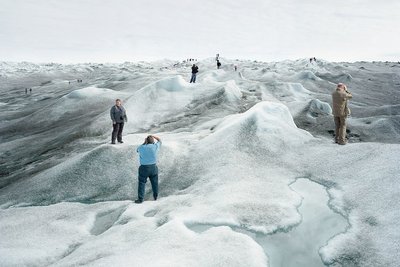
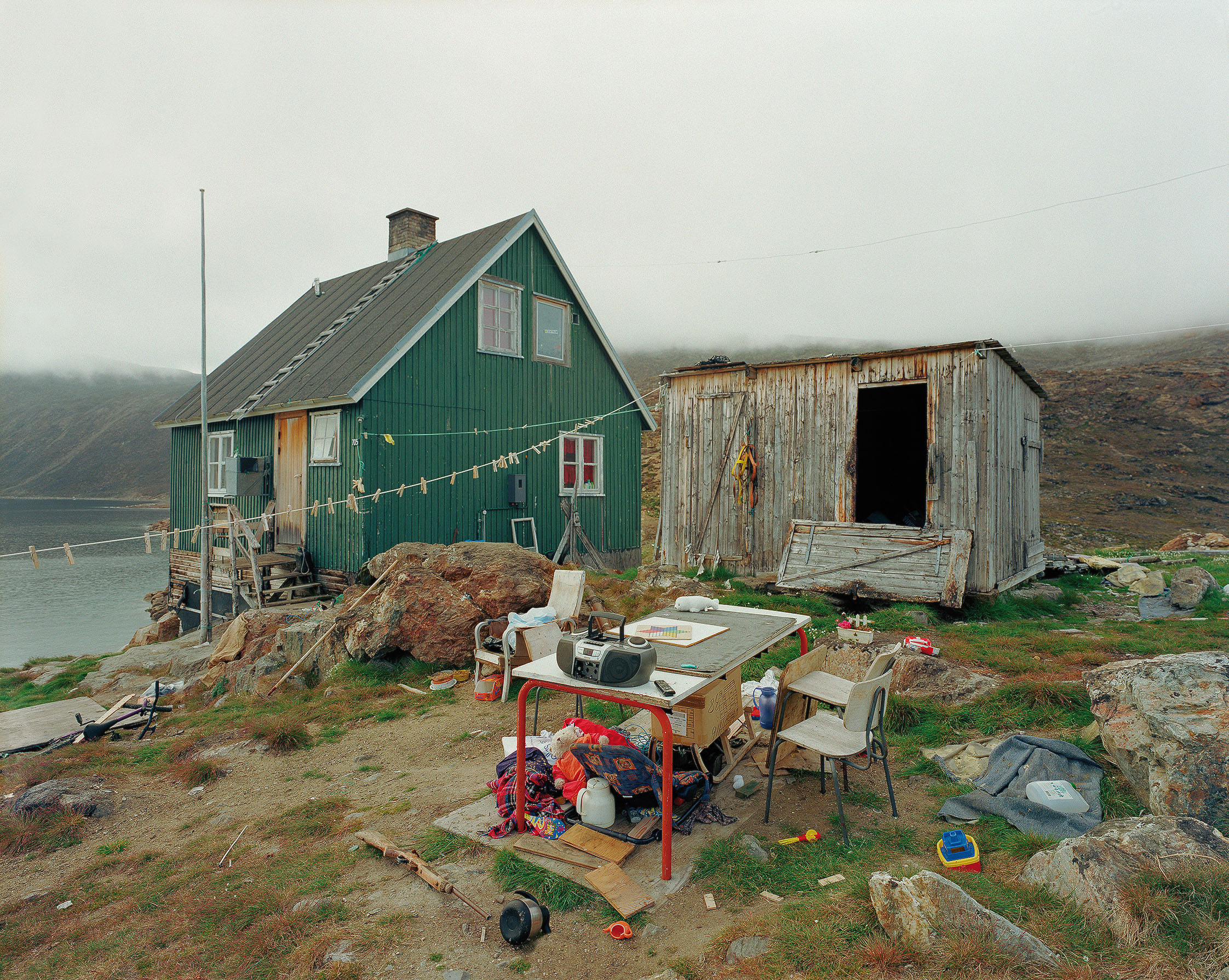
The photographer Olaf Otto Becker has been observing the human impact on nature for more than thirty years. In Greenland, he hiked 570 kilometers over the melting ice sheet. He had previously passed the country’s west coast by himself in a boat with his large format camera. Here, he captured in fascinating photographs the melting ice sheet, tourism in Greenland, and calving glaciers.
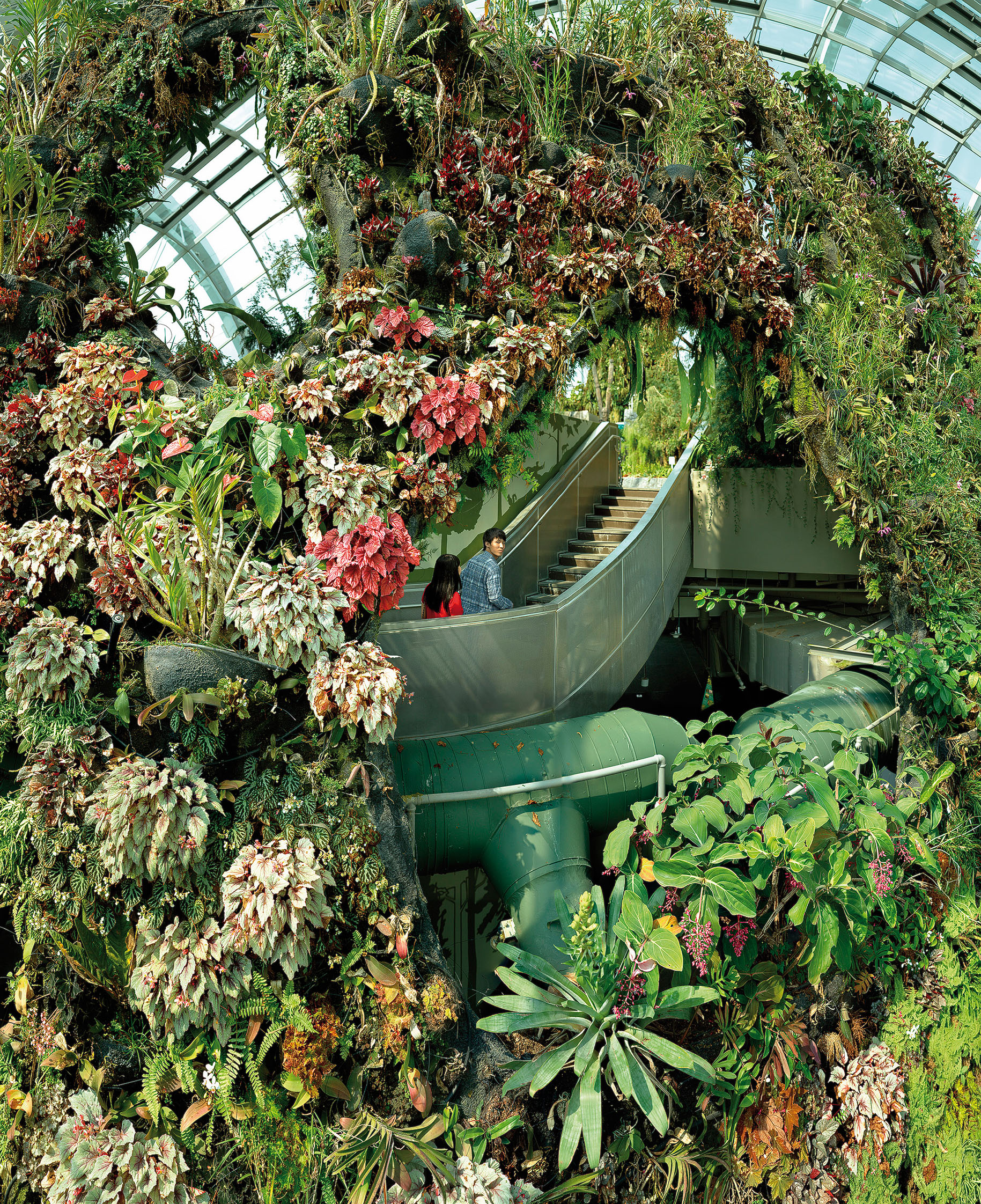
Becker also traveled to Southeast Asia and Australia with scientists and environmental activists on various occasions over many years, documenting threatened rainforests and artificial urban green spaces there. His work shows how environmental destruction and progress take place at the same time.
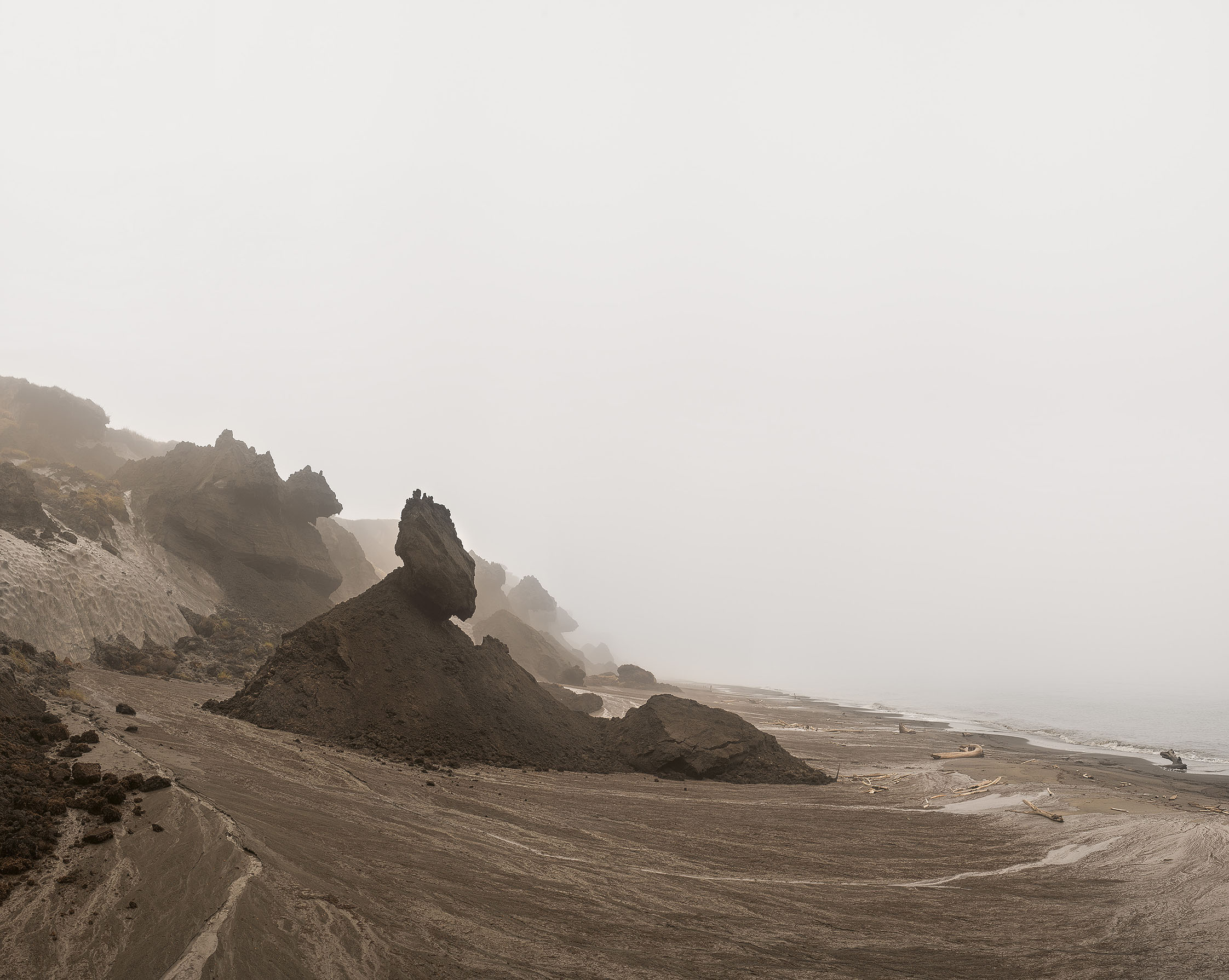
Most recently, he has photographed thawing permafrost zones during the Siberian summer as well as the Arctic Ocean harbor town of Tiksi. The remaining population hopes that global warming will open up new sea lanes along Siberia's northern coast and allow their town to flourish again economically. Here, human and non-human life are competing for space and resources.

Destruction and Beauty
In the exhibition, technically accomplished photography can be seen while written descriptions bearing emotional witness to the photographer’s experiences can be read. Compellingly, Olaf Otto Becker unites documentation and artistic expression. Beauty and destruction often reside in the same moment. The exhibition moreover leads us to global flashpoints where man and nature collide. Signs of Change shows the effects of climate change and demands action to find solutions. Only if we make lasting changes to our relationship with nature will we be able to preserve the diversity of our habitat.
![[Translate to English:] Auf einem offenen Platz stehen in regelmäßigen Abständen baumartige Strukturen mit stilisierten Baumkronen. Sie sind so hoch wie ein Hochhaus und bestehen aus langen Metallstangen, die von Pflanzen bewachsen sind. Im Hintergrund erstreckt sich ein grünes Parkgelände auf einer Plattform, die auf Betonstelzen steht.](/fileadmin/user_upload/technikmuseum/Bilder/Sonderausstellungen/2023/Signs-of-Change/technikmuseum-signs-of-change-supertree.jpg)