Telecommunications
Telecommunications
What's it About?
Elektropolis Berlin: Discover groundbreaking artifacts from the history of communications technology. In the 19th and 20th centuries, electrical media, sound recording, radio, and television transformed our lives by fulfilling humanity’s age-old desire for boundless communication, information, and entertainment.
Telegraphs, Radios, Televisions
“Telegraphen-Bau-Anstalt” — that sounds more like a stuffy government office than the hippest startup of its time. But in 1847, the “Telegraphen-Bau-Anstalt von Siemens & Halske” was exactly that kind of startup, producing equipment for the new possibilities in communications and driving technological advancement. Berlin quickly became the center of this forward-looking industry: the electrical industry. Siemens, AEG, Telefunken — these were the illustrious names of the companies, and Berlin was their hub until World War II.
The exhibition “Elektropolis Berlin” tells the story of telecommunications and its impact on Berlin’s electrical industry. As recently as the early 19th century, mounted messengers and stagecoaches were responsible for the rapid transmission of messages. In 1833, the first optical telegraph line in the German states — running from Berlin via Cologne to Koblenz — ushered in the age of communication. Visitors to the exhibition can trace Berlin’s rapid rise to become the capital of Germany through six areas: telegraphy, telephony, radio, broadcasting, audio technology, and television. By 1930, 50 percent of the German broadcasting industry and 70 percent of the German electrical industry were based in Berlin.
Berlin, the Electrifying Metropolis
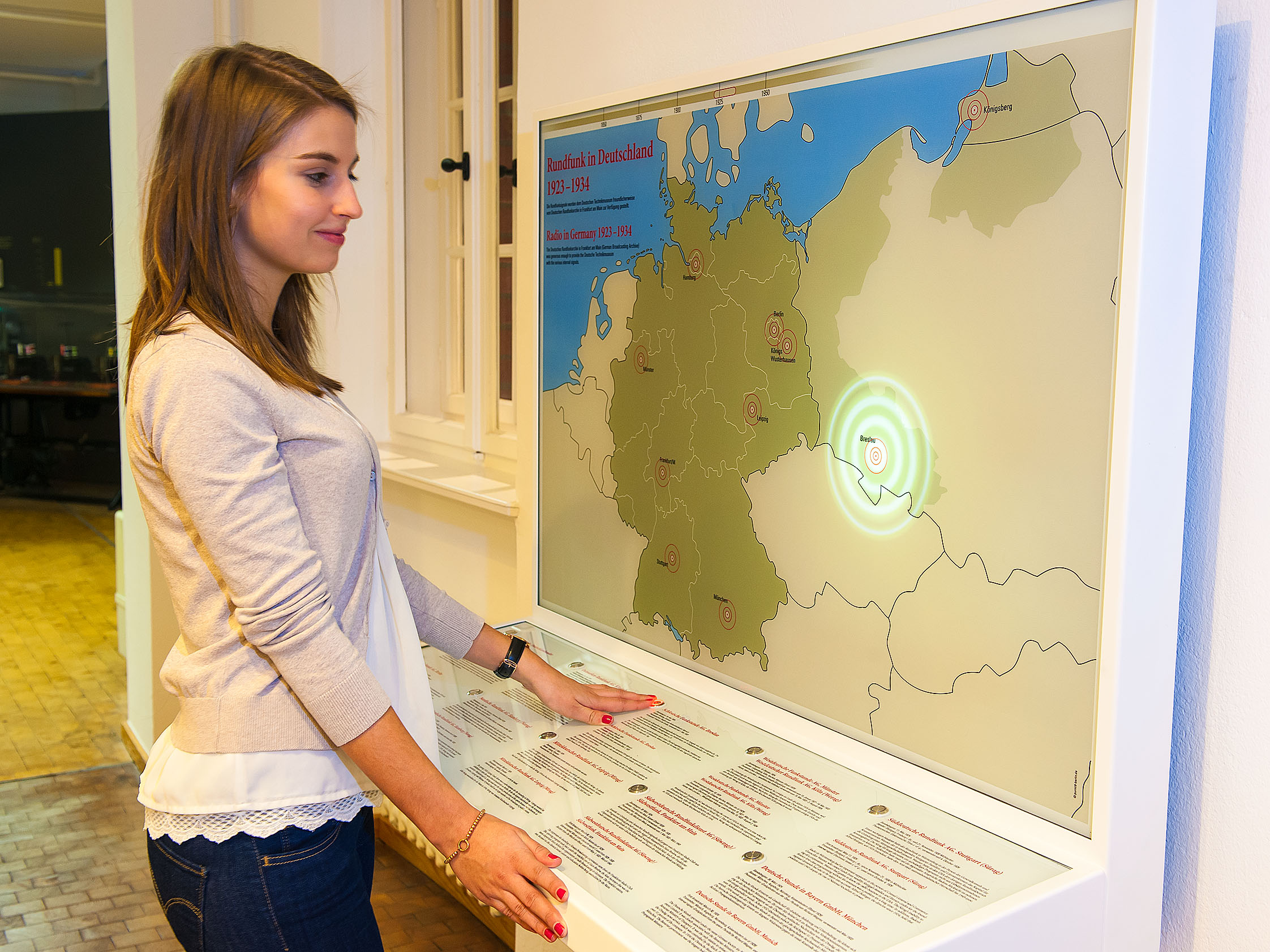
The exhibition uses a timeline and a map of Berlin to illustrate how rapidly this development took place and how tightly knit the network of locations in Berlin significant to communications and media technology is. “Elektropolis Berlin” also shows how these technological developments transformed people’s everyday lives and urban society as a whole. Before World War II, Berlin was not only an industrial hub but, as a major metropolis and cosmopolitan city, also a testing ground for modern technologies. Many of the exhibits in the exhibition are related to Berlin, such as Manfred von Ardenne’s first electronic television from 1931. In addition, there is background information on key events, such as the official launch of radio in Germany on October 29, 1923, from a radio station at Potsdamer Platz.
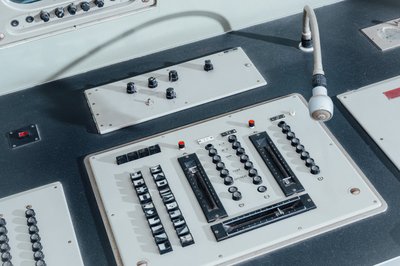
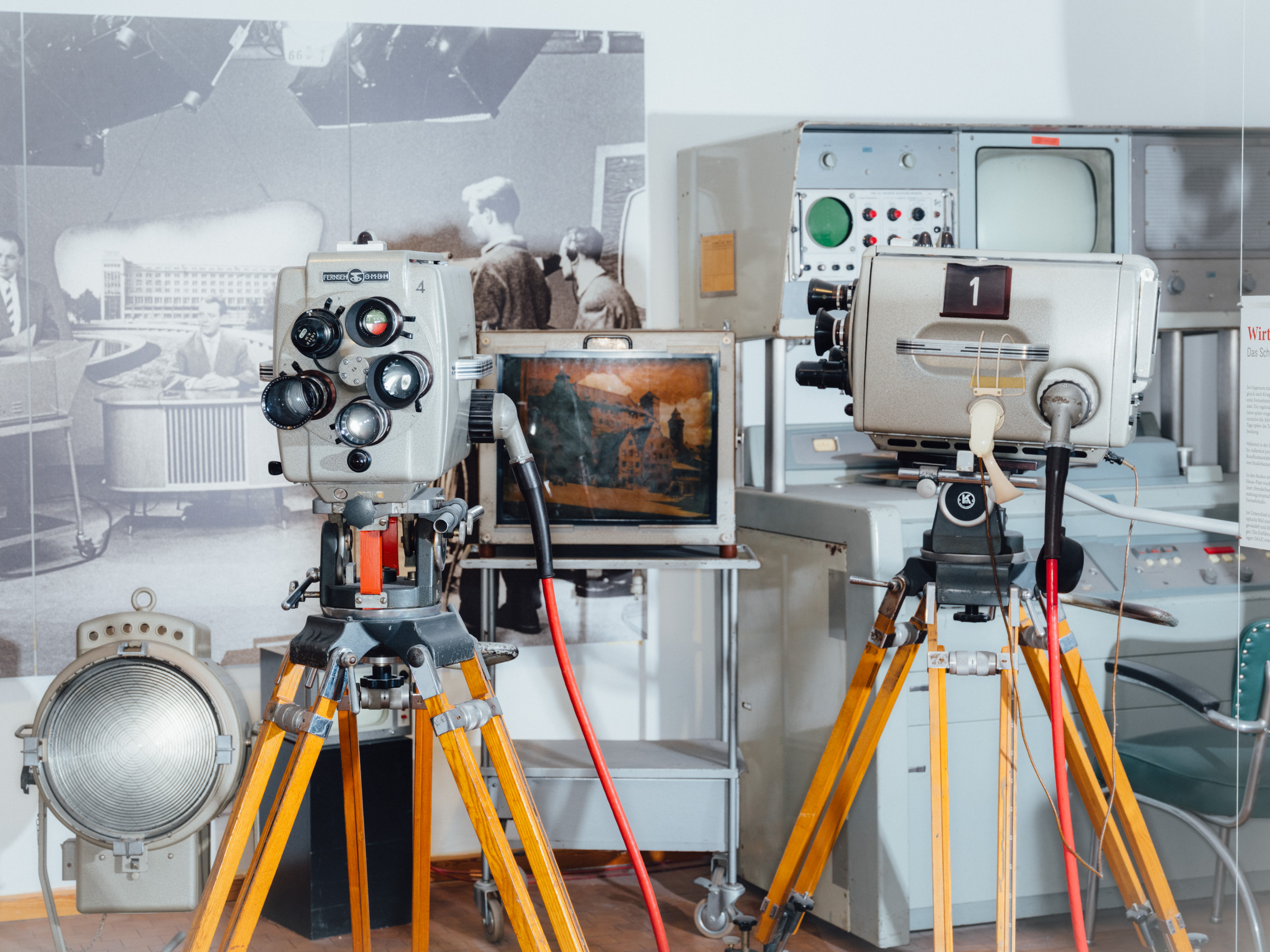
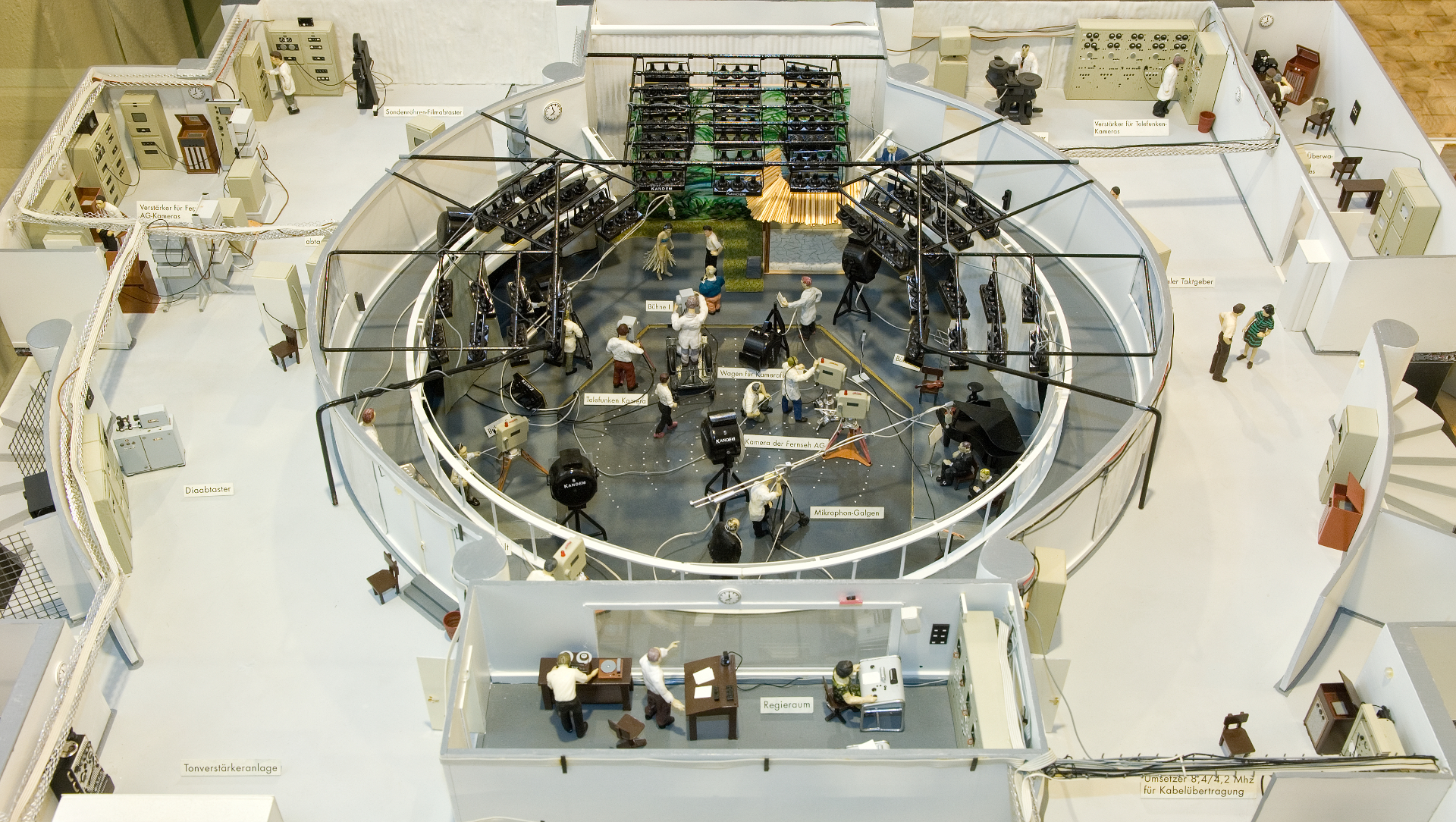
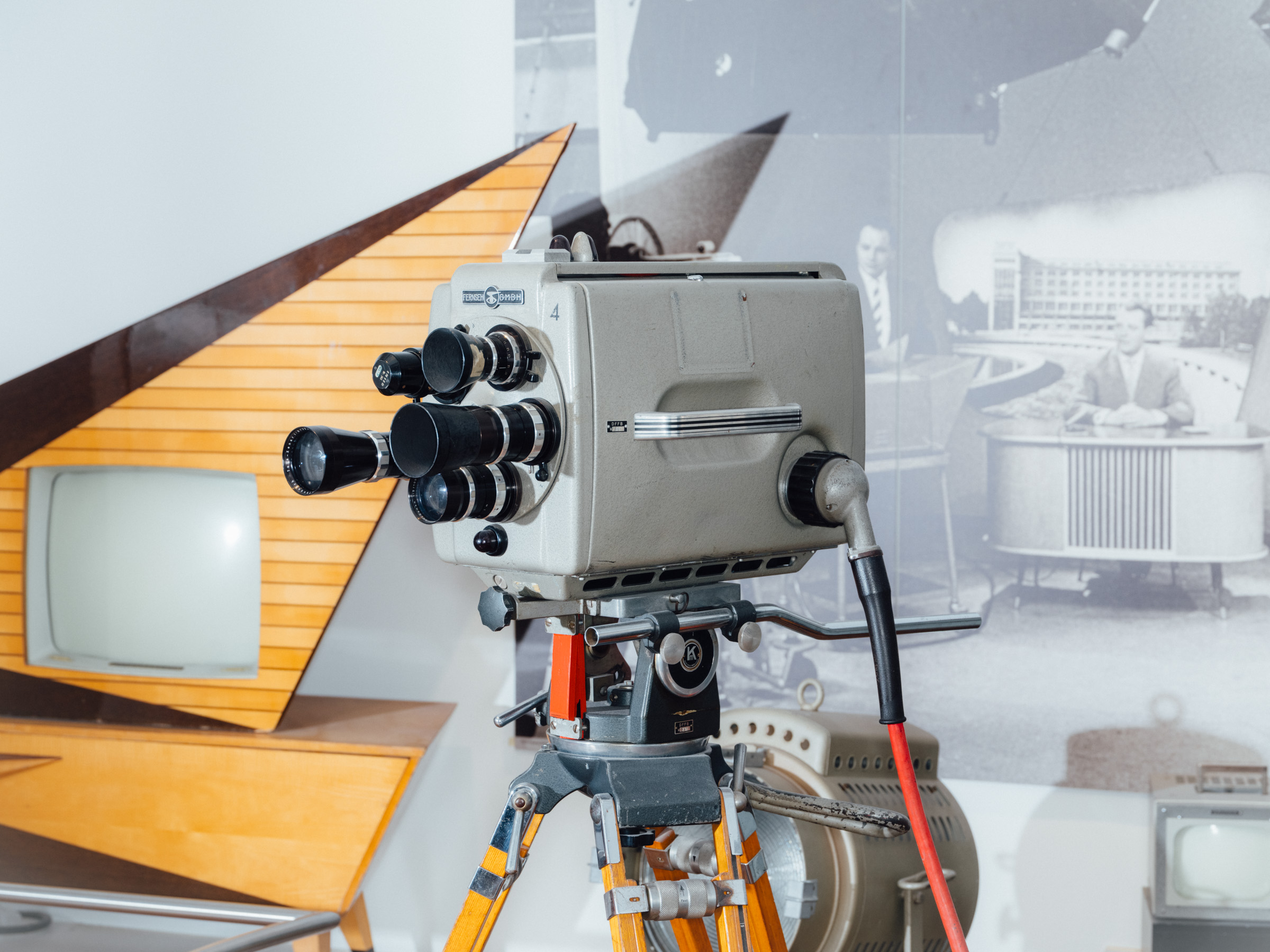
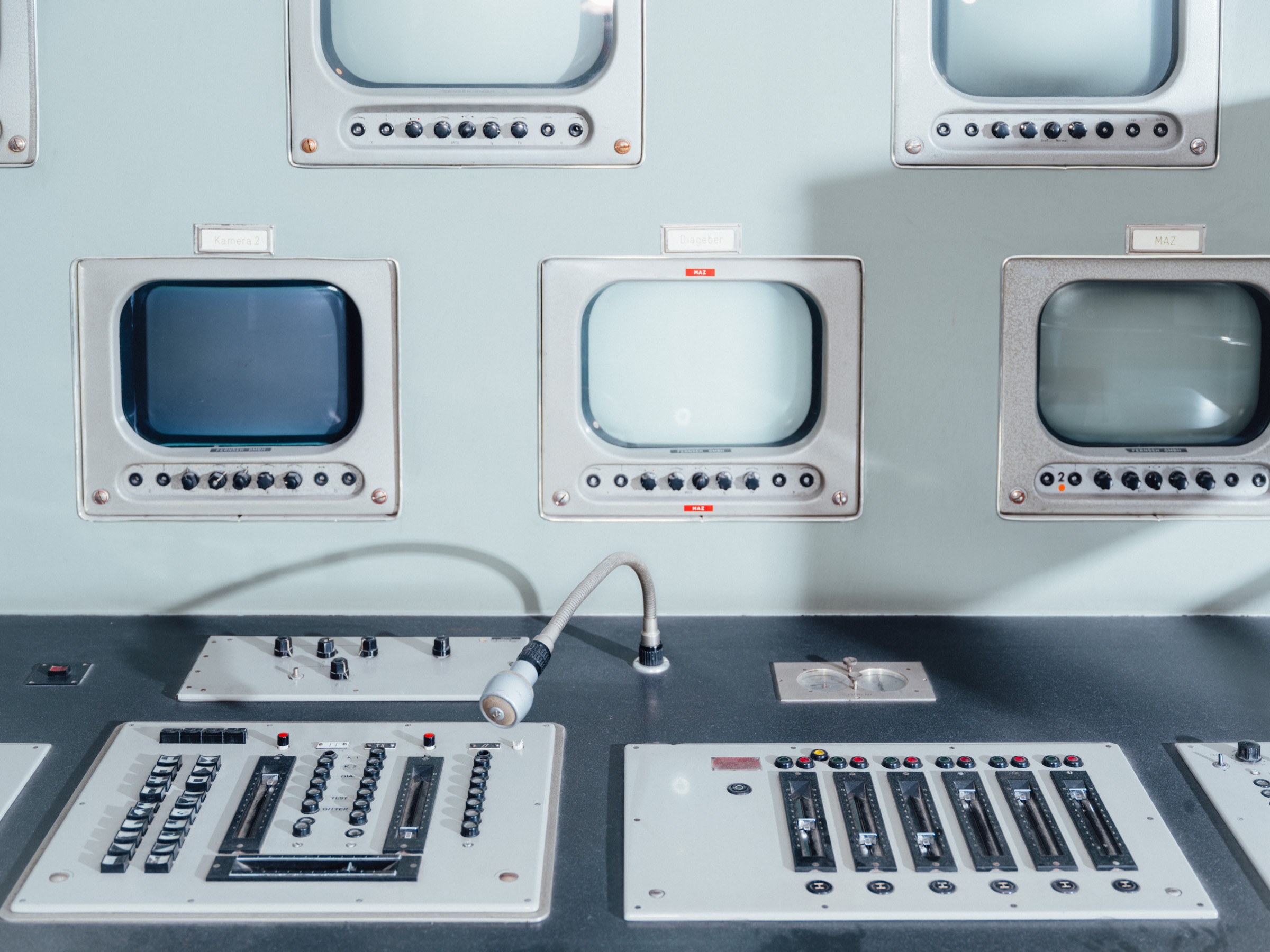
Significant original artifacts from Berlin’s eventful history — such as the RIAS radio station and the SFB black-and-white television studio — are brought to life through historical visual and audio documents.
Join us on "Radio Gleisdreieck"!
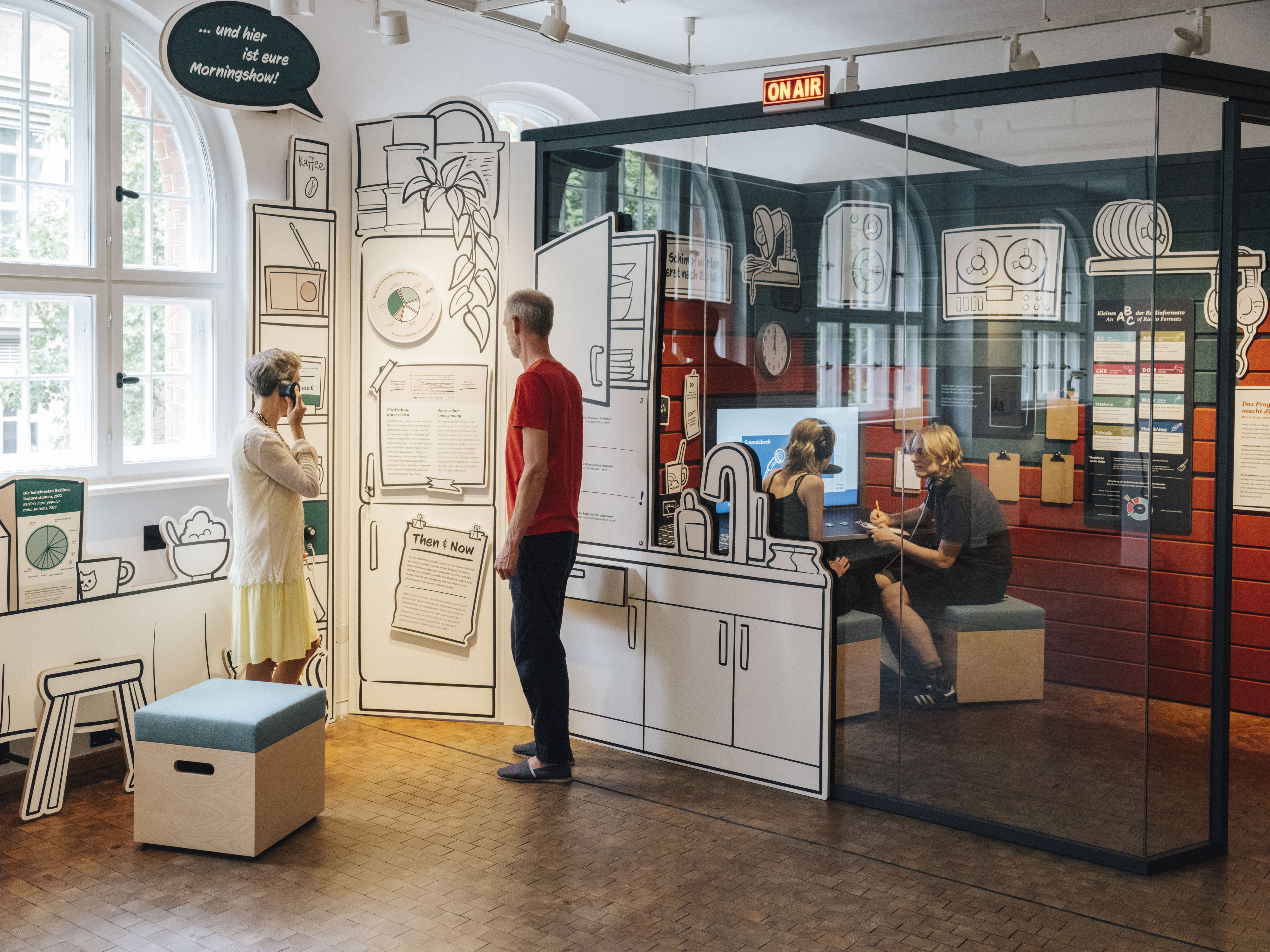
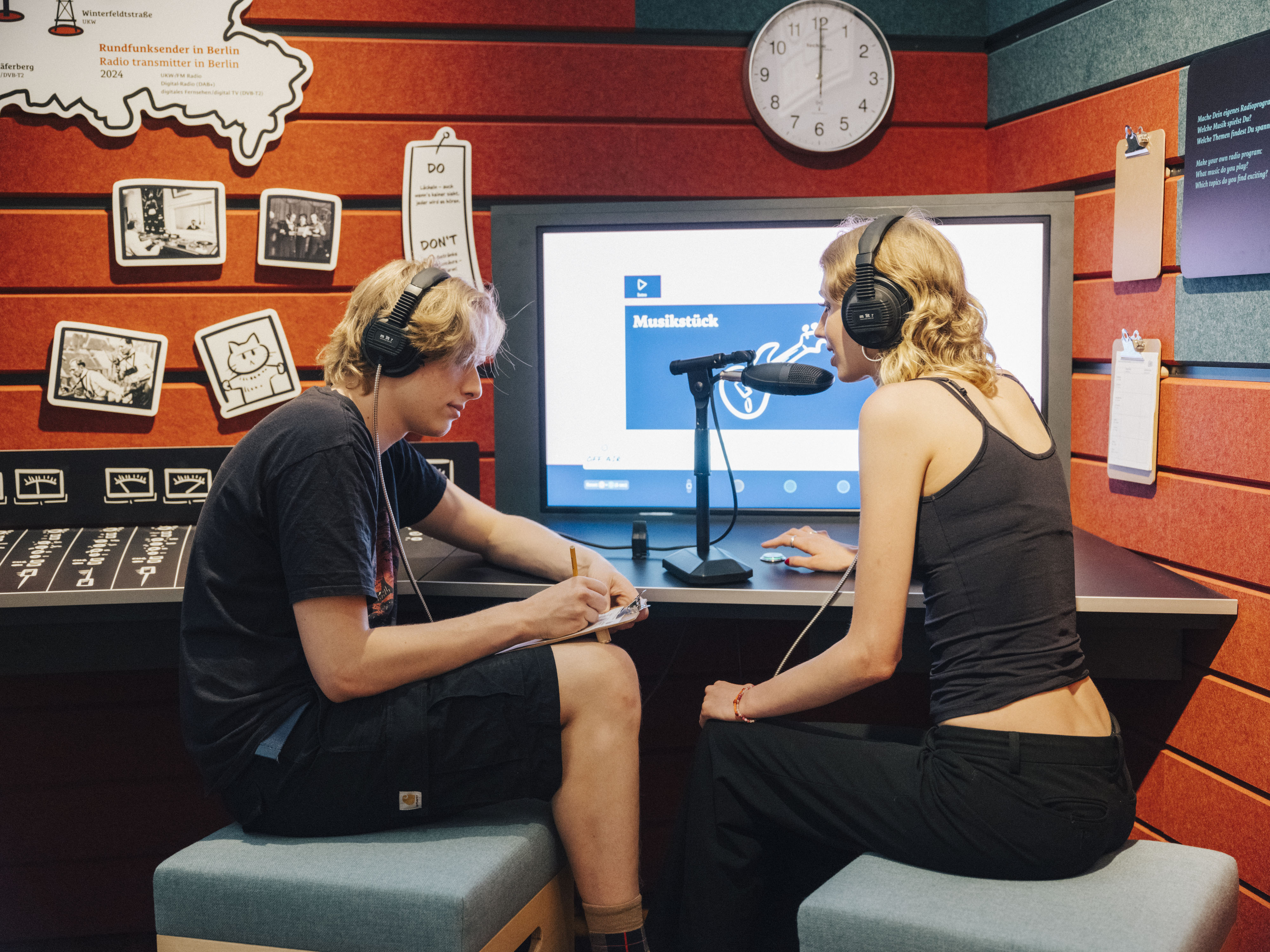
The interactive radio studio “Radio Gleisdreieck” invites visitors to get involved and try things out. Here, you can produce your radio shows and host them live. You will also learn fascinating facts about how radio as a medium has evolved over time. This is an entertaining way to discover how technological innovations and changes in our lives are interconnected. Communications and media technology has made — and continues to make — life more diverse and exciting for people in “Elektropolis Berlin.”
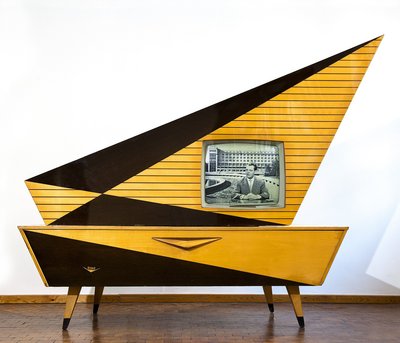
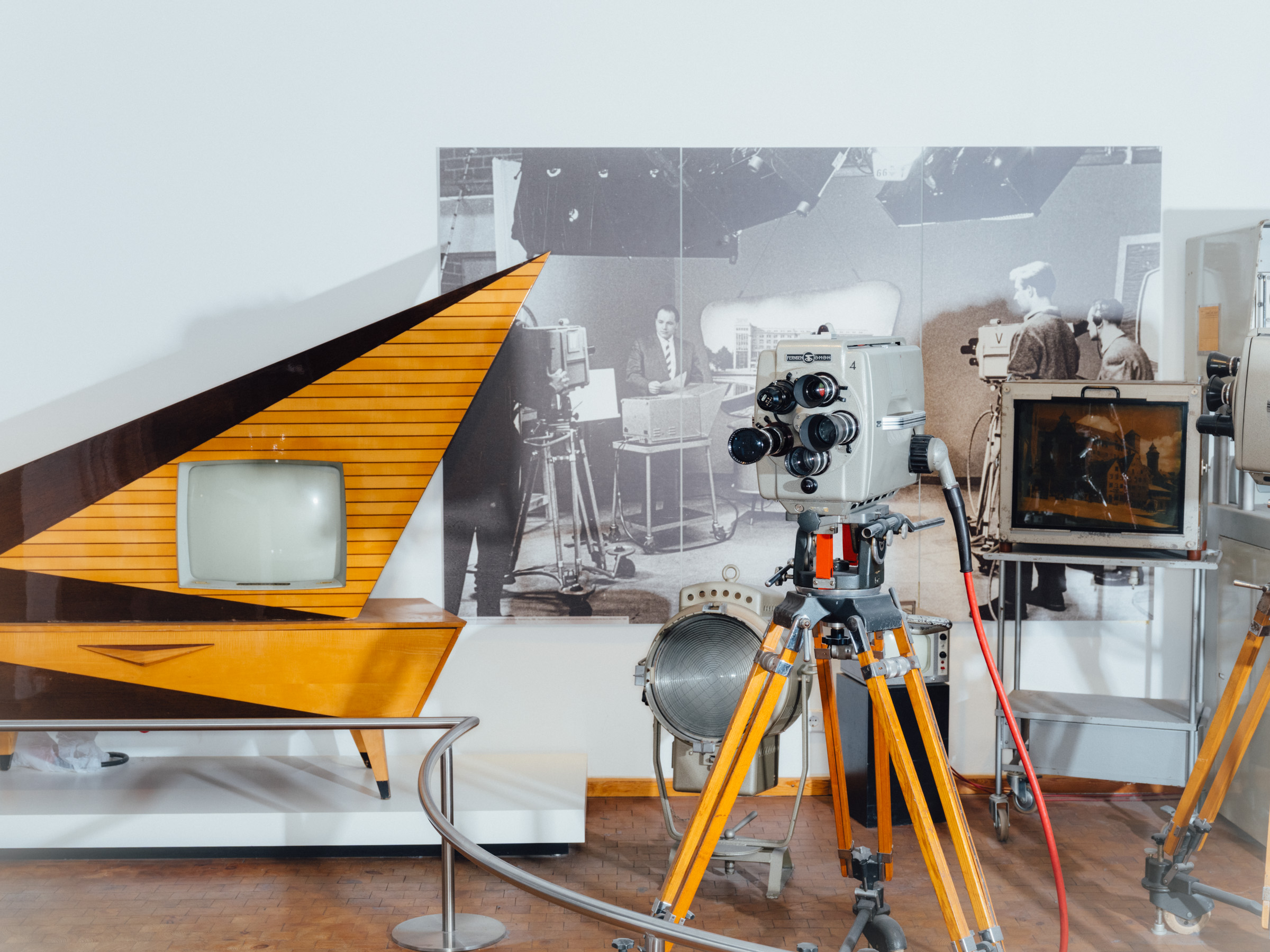
"Komet" TV Cabinet
The “Komet” TV cabinet from Kuba-Imperial in Wolfenbüttel. Anyone who wanted to showcase their TV so prominently needed plenty of space, but this designer piece of furniture also housed a radio, a record player, seven or more speakers, and, upon request, a tape recorder. In addition to cars, television sets and stereo systems became status symbols in the 1950s, with people spending more than six average monthly salaries on them.
Kuba-Imperial Radio and Television Works, Inc., circa 1961
SDTB/ Photo: C. Kirchner
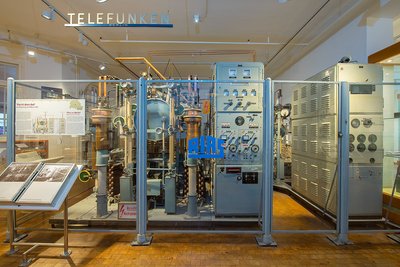
100-kilowatt medium-wave transmitter
Starting in 1946, Radio in the American Sector (RIAS) broadcast two radio programs. This 100-kilowatt transmitter, which was in operation in Berlin-Britz from 1948 until the mid-1980s, shows visitors how the broadcasts worked.
Kuba-Imperial Radio and Television Works GmbH, circa 1961
SDTB/ Photo: C. Kirchner
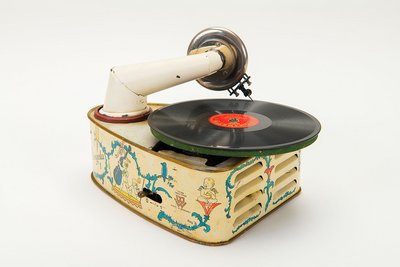
Bing Pigmyphone Children's Grammophone
First crank it, then listen — that was also true of this simple yet sturdy Pigmyphone from the 1920s, which the Bing brothers produced in Nuremberg for children. The square housing was made of sheet metal, as was the sound horn. At the time, such a device cost a good two marks.
Nuremberg Metal and Painted Goods Factory Gebr. Bing AG, ca. 1924
SDTB/ Photo: C. Kirchner
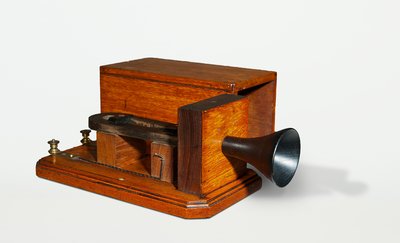
Telephone Bell Box Telephone
Ein solches Box-Telefon nahm Alexander Graham Bell zu Demonstrationszwecken auch auf seine Vortragsreisen in Europa und den USA mit. Seine Vorführungen waren so erfolgreich, dass er bald zu den großen Erfindern seiner Zeit wie Werner Siemens oder Thomas Edison gezählt wurde. Dank eines großen Hufeisenmagneten konnten mit dem Apparat Gespräche über eine Distanz von bis zu 70 Kilometern geführt werden.
1877
SDTB/ Foto: C. Kirchner
Angebote zum Thema
Die Ausstellung wurde realisiert mit freundlicher Unterstützung der LOTTO-Stiftung Berlin.
Wir danken dem Förderkreis Zucker-Museum e.V. für die langjährige Unterstüzung.