A Rail Worker in the Nazi Era
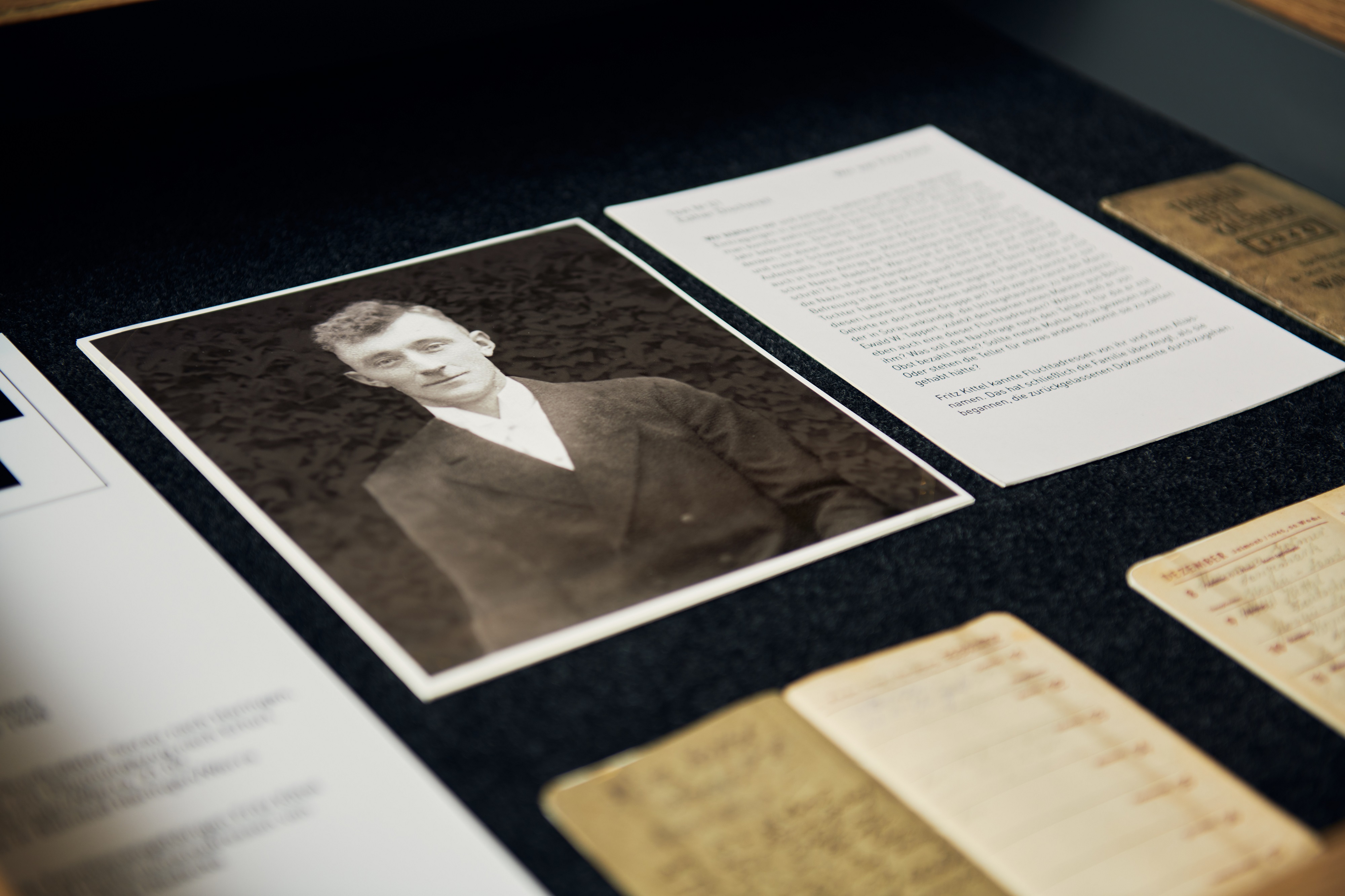
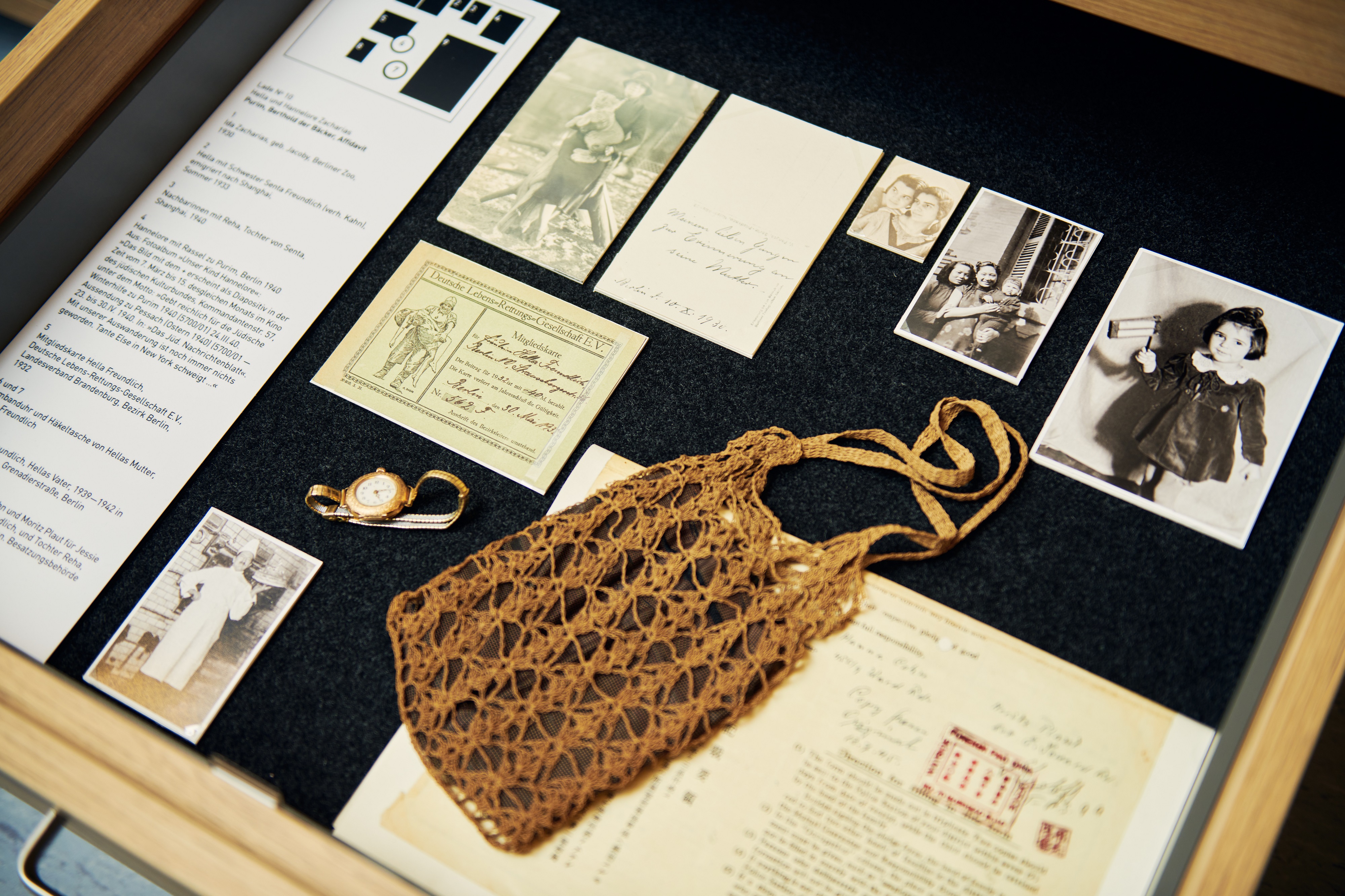
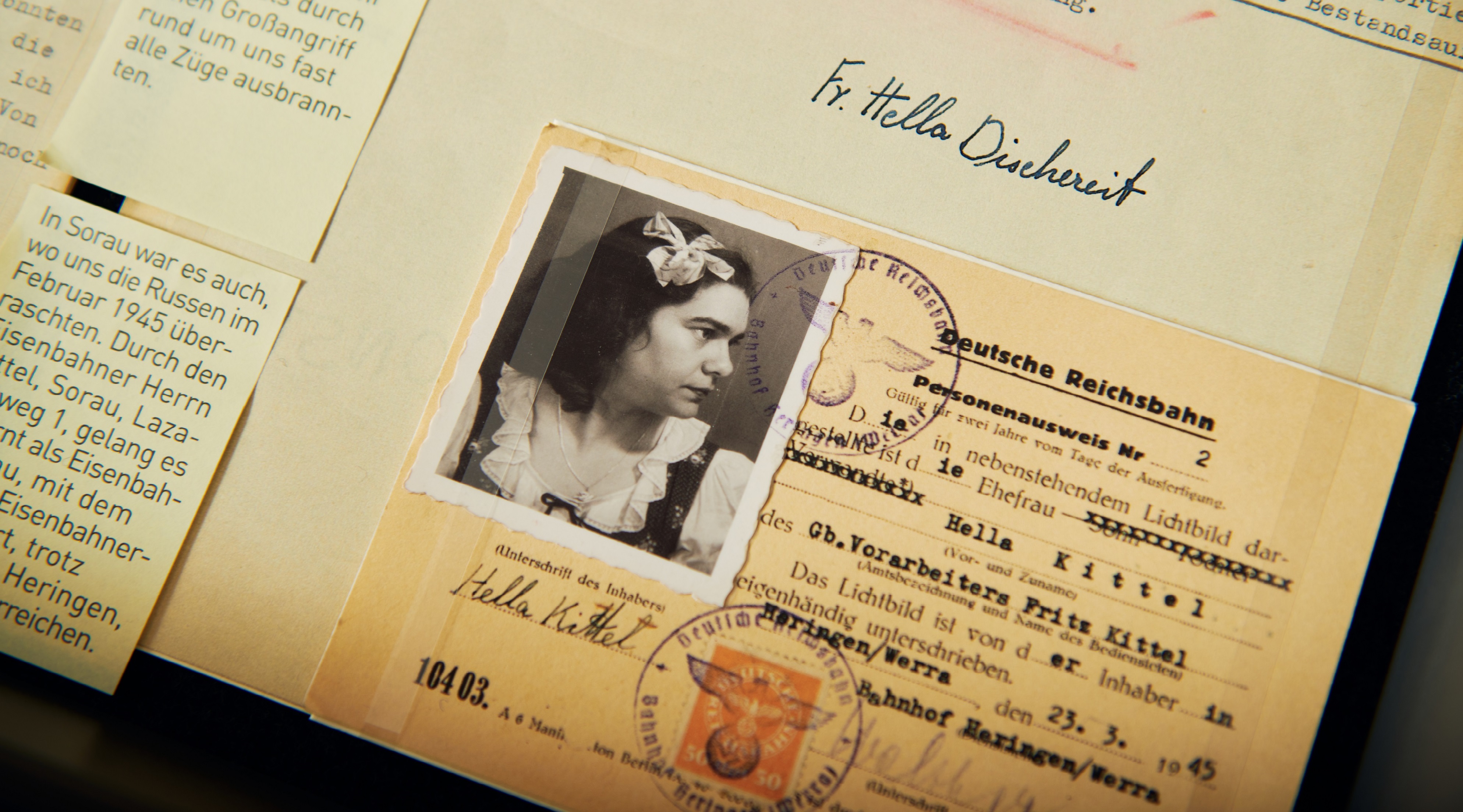
"Who was Fritz Kittel?" The writer Esther Dischereit focuses on that question. This railway worker had hidden her mother Hella and her sister Hannelore Zacharias during the Nazi era. Both these Jewish women were able to survive the Holocaust because of people like him. He himself never told his family about his exploit, even after the war.
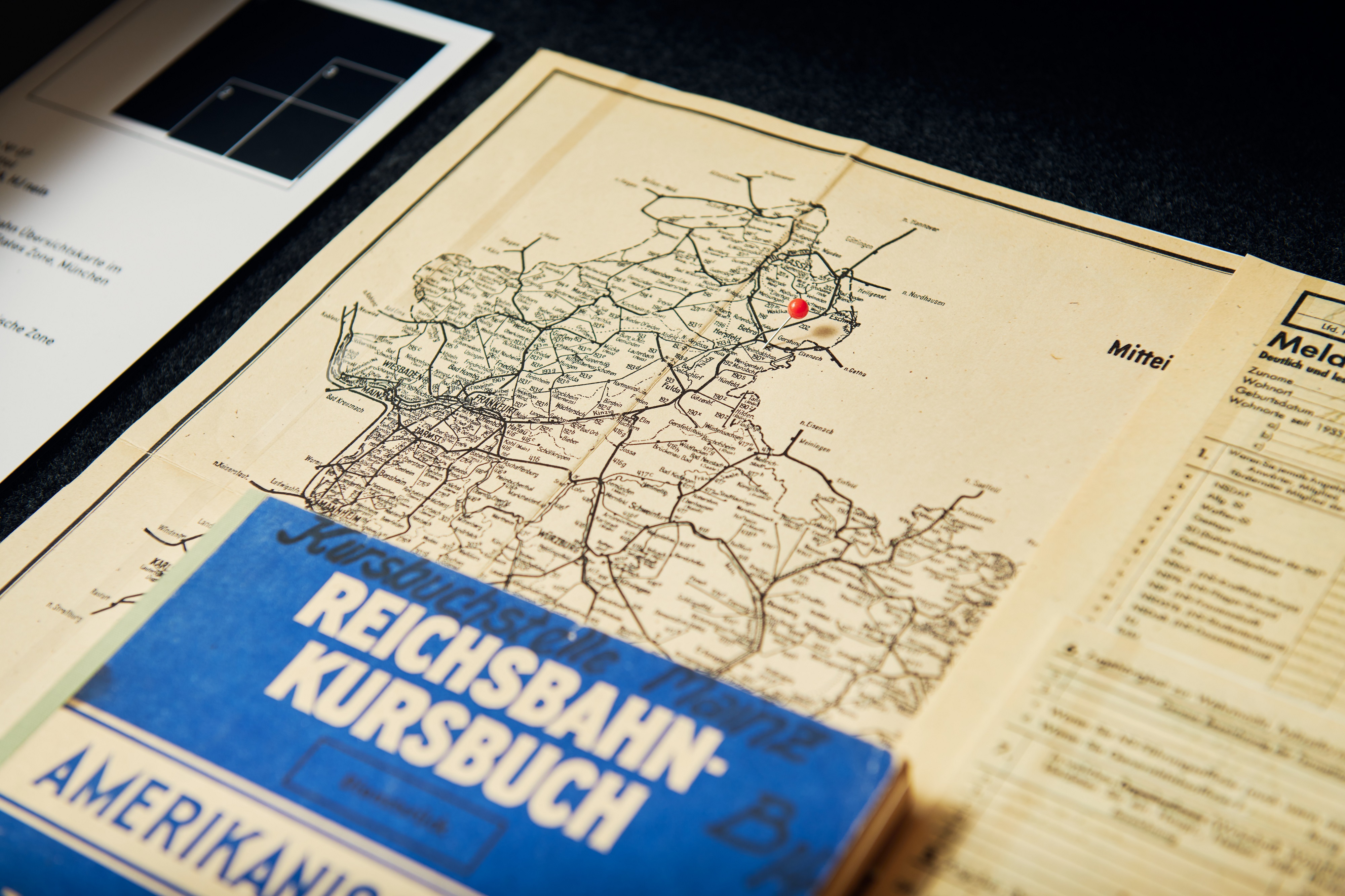
The exhibition invites visitors to join in the attempt to find out just what happened. It details the role of the Deutsche Reichsbahn, which was Fritz Kittel's employer during the Nazi era, and examines the fate of Jewish railway workers. The documents, objects, films and biographies in the exhibition correspond with the literary miniatures by Esther Dischereit that are on display.
A New Approach to the Culture of Remembrance
Esther Dischereit developed the concept of the exhibition in the context of the Deutsche Bahn's Historical Collection. This multimedia presentation, which also examines the family narratives of today, is a new approach within the Deutsche Bahn's culture of remembrance. It invites people to take a critical look at the crimes committed during the Nazi era and the questions of individual responsibility. For without the Reichsbahn, the deportation of European Jews, Sinti and Roma to the death camps during the Nazi era would not have been possible. With the traveling exhibition "Who was Fritz Kittel?" Deutsche Bahn continues its commitment to a democratic society with an active remembrance of the victims of racism, anti-Semitism and tyranny.
Travelling Multimedia Exhibition
The exhibition consists of four elements that open up different perspectives and modes of access.
- An introduction to the subject by means of a timeline that includes photographs of exhibits and biographical documents.
- Ten documentary films showing Fritz Kittel's and Hella Zacharias' children and grandchildren tracking down all remaining traces of the story. (Hella took the married name Dischereit after the war.)
- Literary texts by the writer Esther Dischereit. Esther Dischereit's writing and organizational work provide a cohering thread between the narrative text and the objects, fictional fragments and documentation. <0}
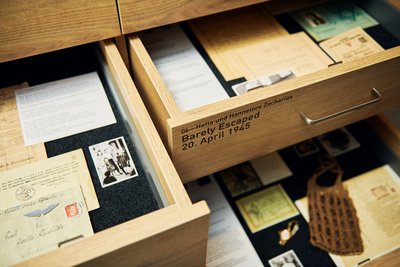
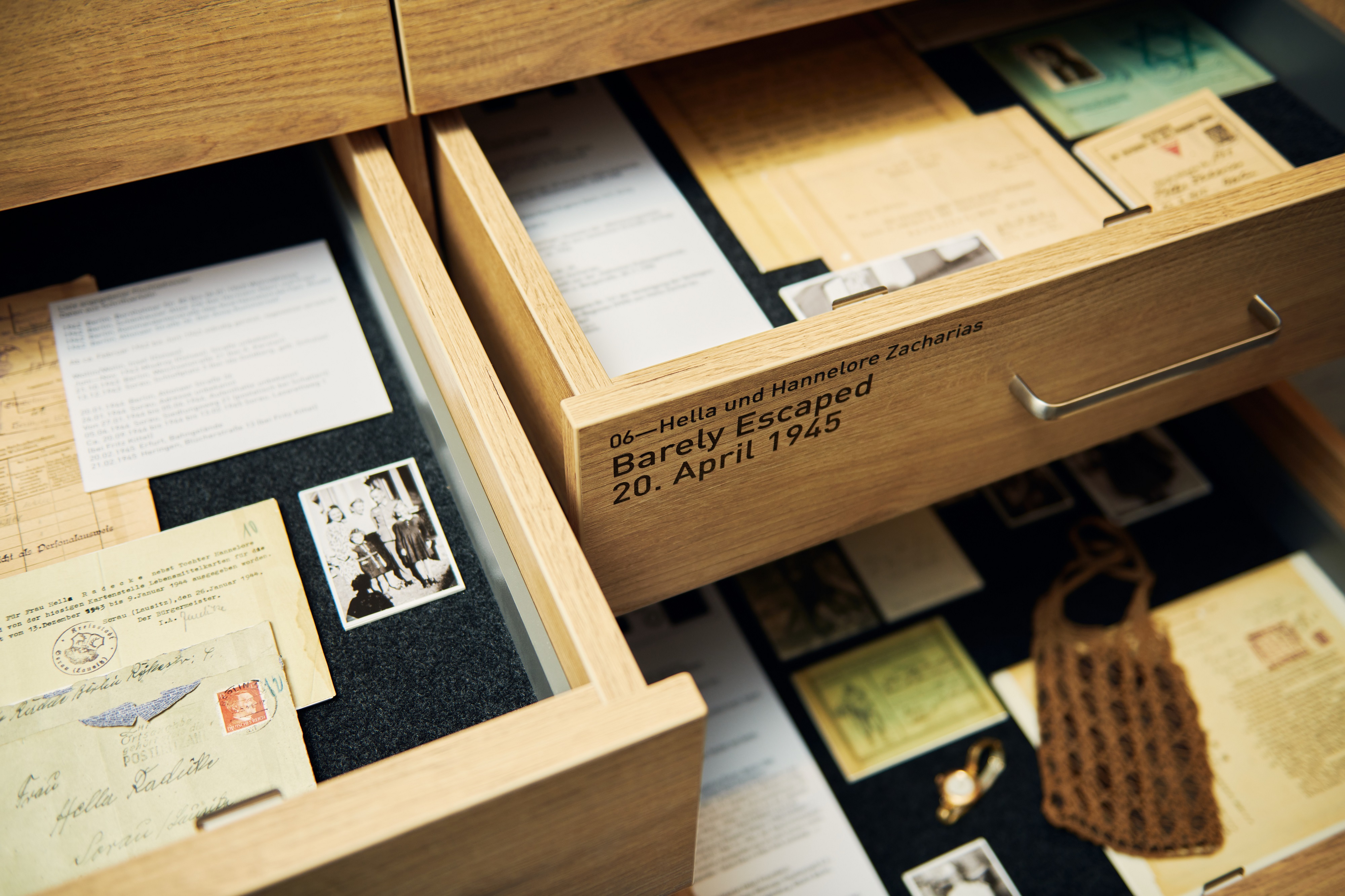
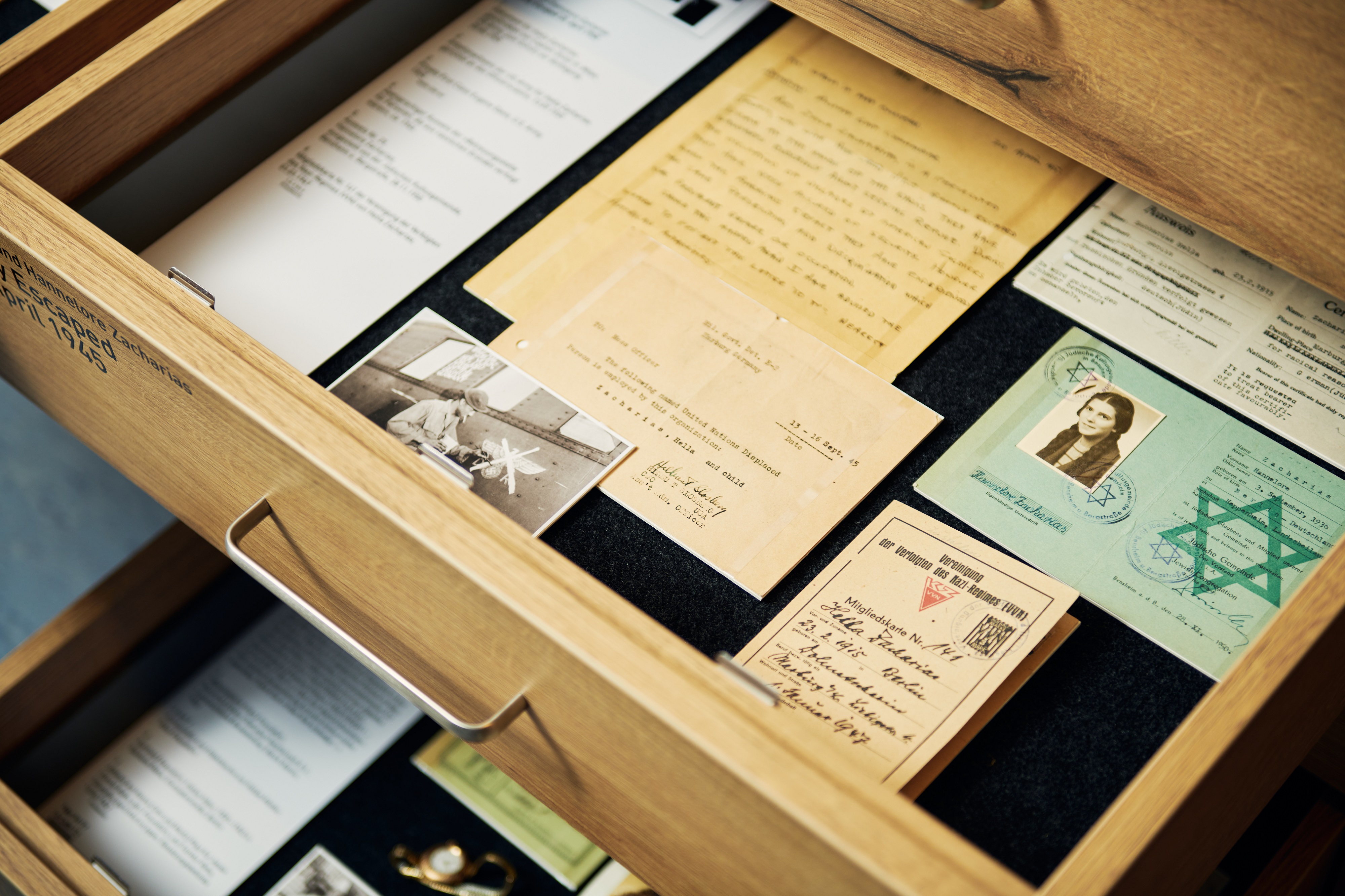
- Three display cabinets with drawers containing documents and explanatory texts, all of which can be perused at your leisure.
Idea and conceptualization: Esther Dischereit, Dr. Susanne Kill (Deutsche Bahn AG)
Product design: Prof. Veruschka Götz
Documentary film: Gerhard Schick
From the beginning of May, the exhibition will be in Chemnitz as one of the city's "Jewish Culture Days" venues. Further exhibition locations are being planned.
Contact Deutsche Bahn AG
For further information on the exhibition and for press materials please contact DB AG
presse@deutschebahn.com