Your privacy is important to us!

We use cookies to improve our website for you. No hidden trackers. You decide what you allow.

Essential cookies enable basic functions and are necessary for the website to function properly.
Statistics cookies collect information anonymously. This information helps us to understand how our visitors use our website.
Marketing cookies are used by third parties or publishers to display personalized advertisements. They do this by tracking visitors across websites.
Jump to main content
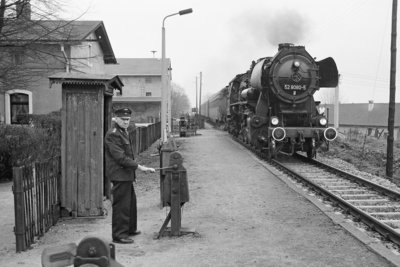
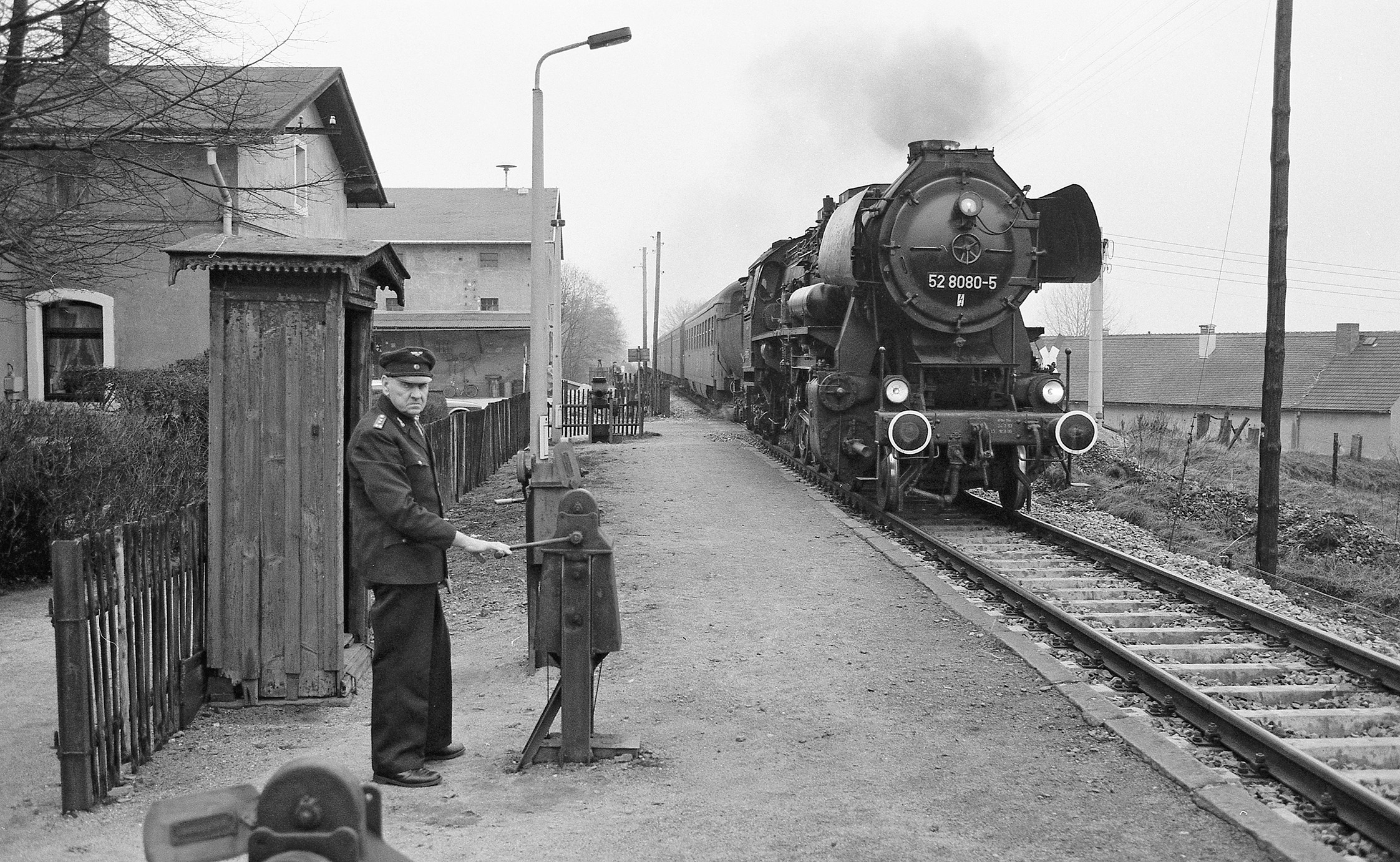
A black-and-white photograph: An elderly railroad crossing guard in uniform stands on a train platform in a rural setting. A steam locomotive approaches from behind.

Life by the Rails

21/1/2022 — 23/2/2023

Life by the Rails

What's it About?

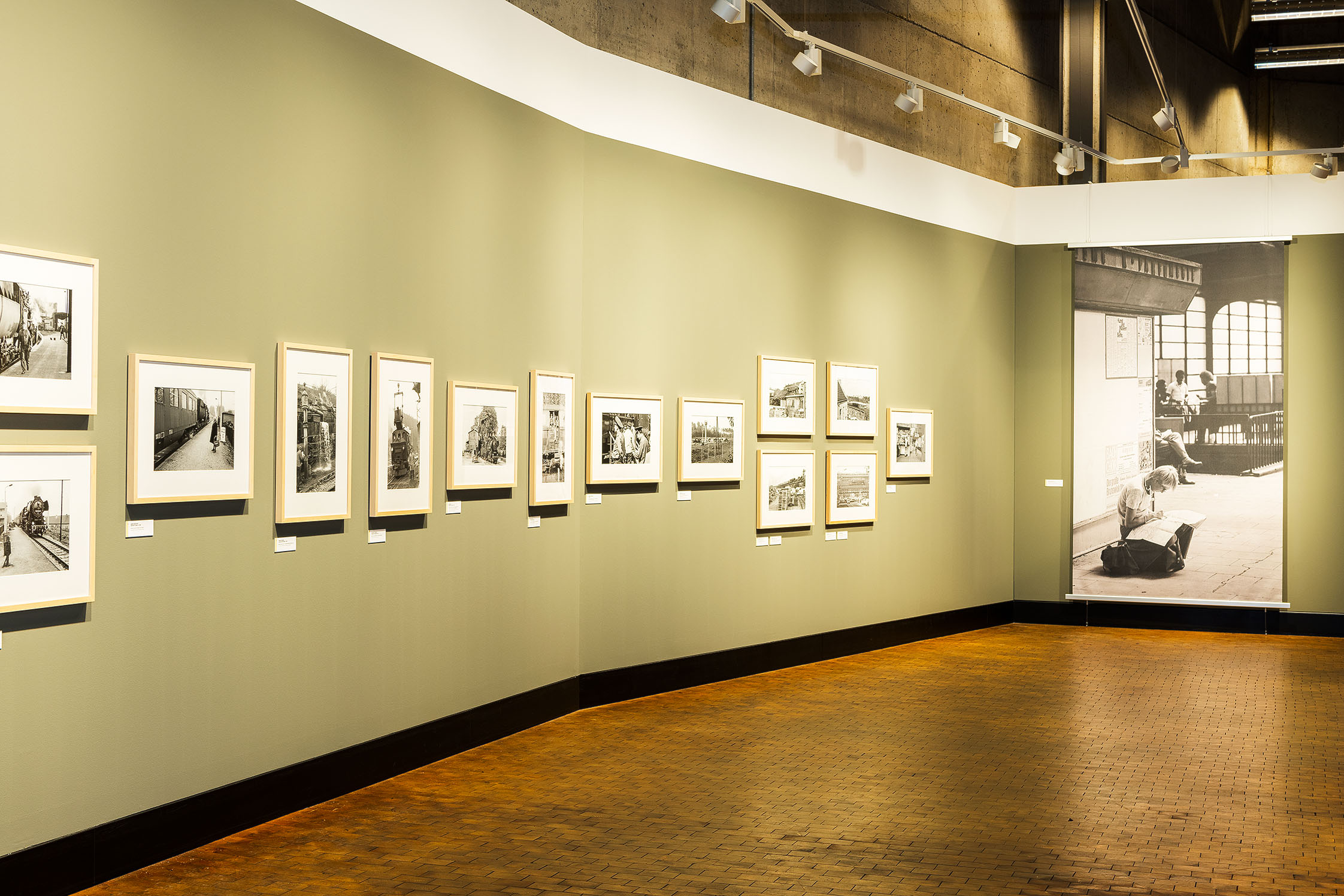
The special exhibition “Life by the Rails. Photographs of the GDR by Burkhard Wollny” shows selected black-and-white photographs by Burkhard Wollny from 21 January 2022 until 19 February 2023. Remote stations, heavy steam locomotives and many passengers – that was all part of life in the German Democratic Republic (GDR).

Trains, Locomotives and People

Burkhard Wollny is a photographer and train fan from near Stuttgart. He is especially keen on old steam locomotives. Before the fall of the Berlin wall, he repeatedly traveled to the GDR and to West Berlin where many of the old locomotives were still in service. This resulted in unique pictures of life in towns, in the provinces, at stations and on the railway lines.

Traveling by train was part of everyday life in the GDR. While West Germany became a car nation after the Second World War, East Germany remained largely faithful to its railways. Around 1980, 40 percent of passenger journeys were still made by train. From today’s perspective, that sounds like a progressive traffic concept but 40 years ago, it was considered backward. Small stations, crowded commuter trains and a wide network of branch lines took people to the farthest reaches of the workers’ and peasants’ state.
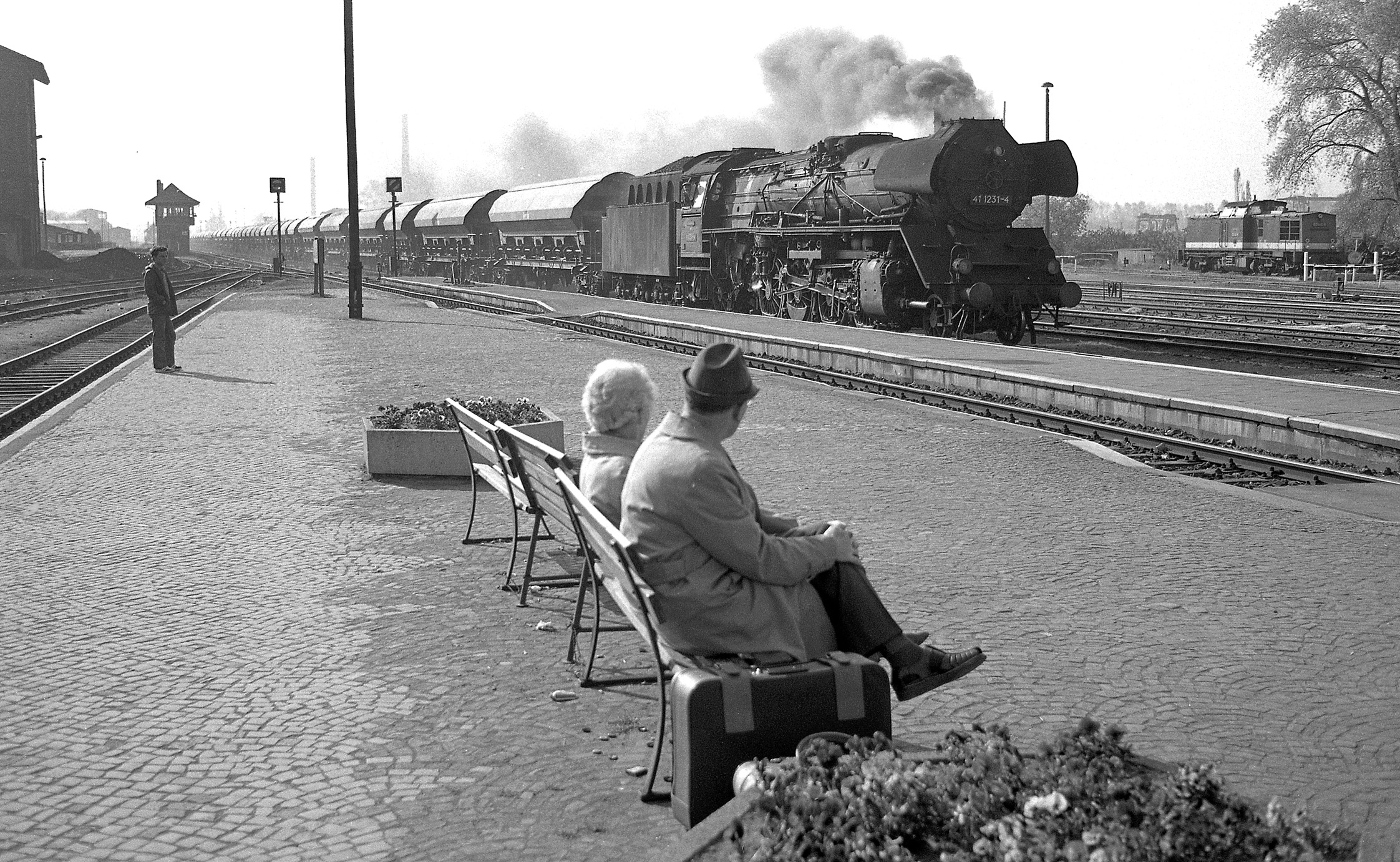
A man and a woman are sitting on a bench on a deserted train platform, watching a freight train pass by. A suitcase is standing next to them.
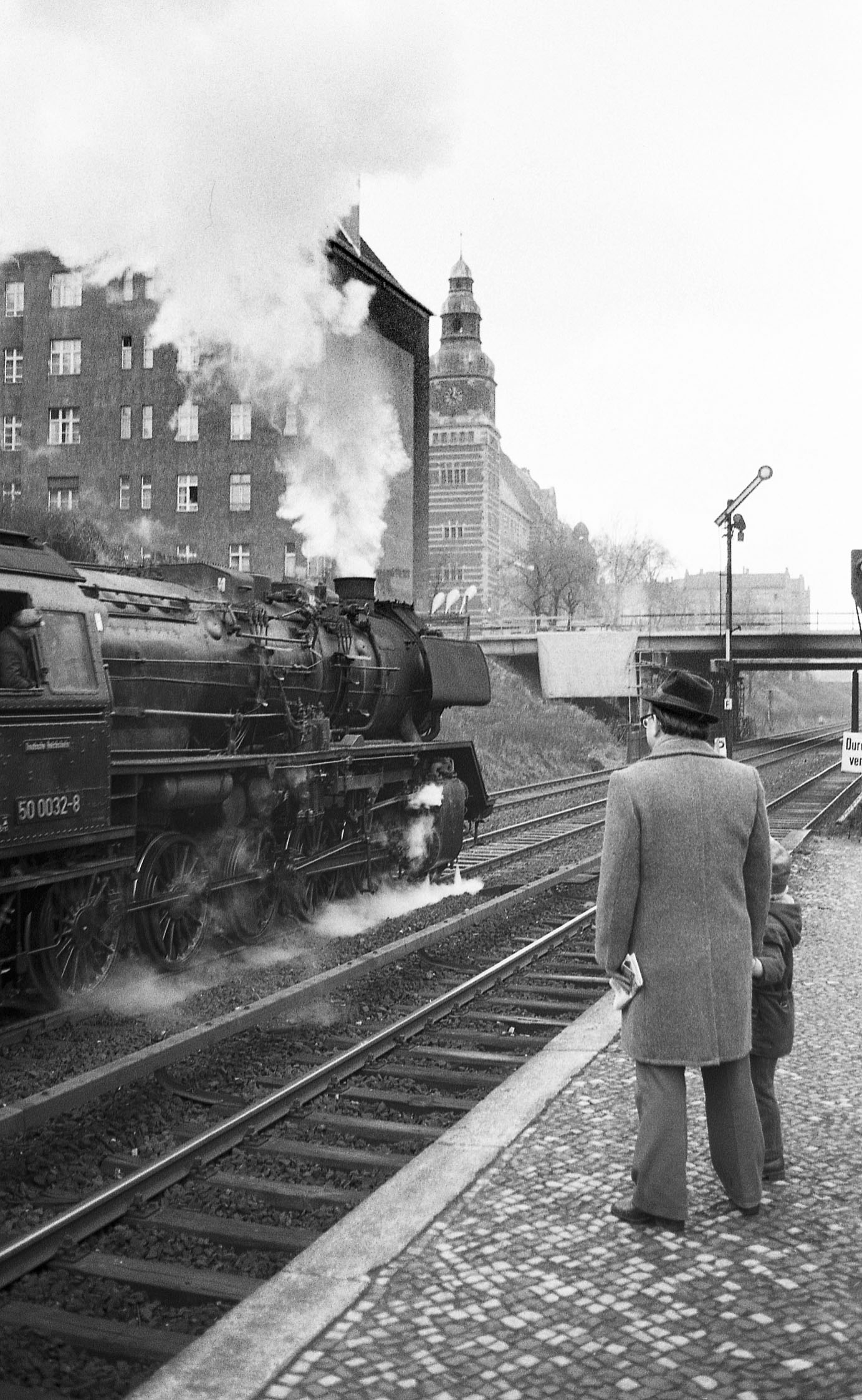
A man and a child are standing on a train platform, watching the steaming Reko locomotive rush past them.
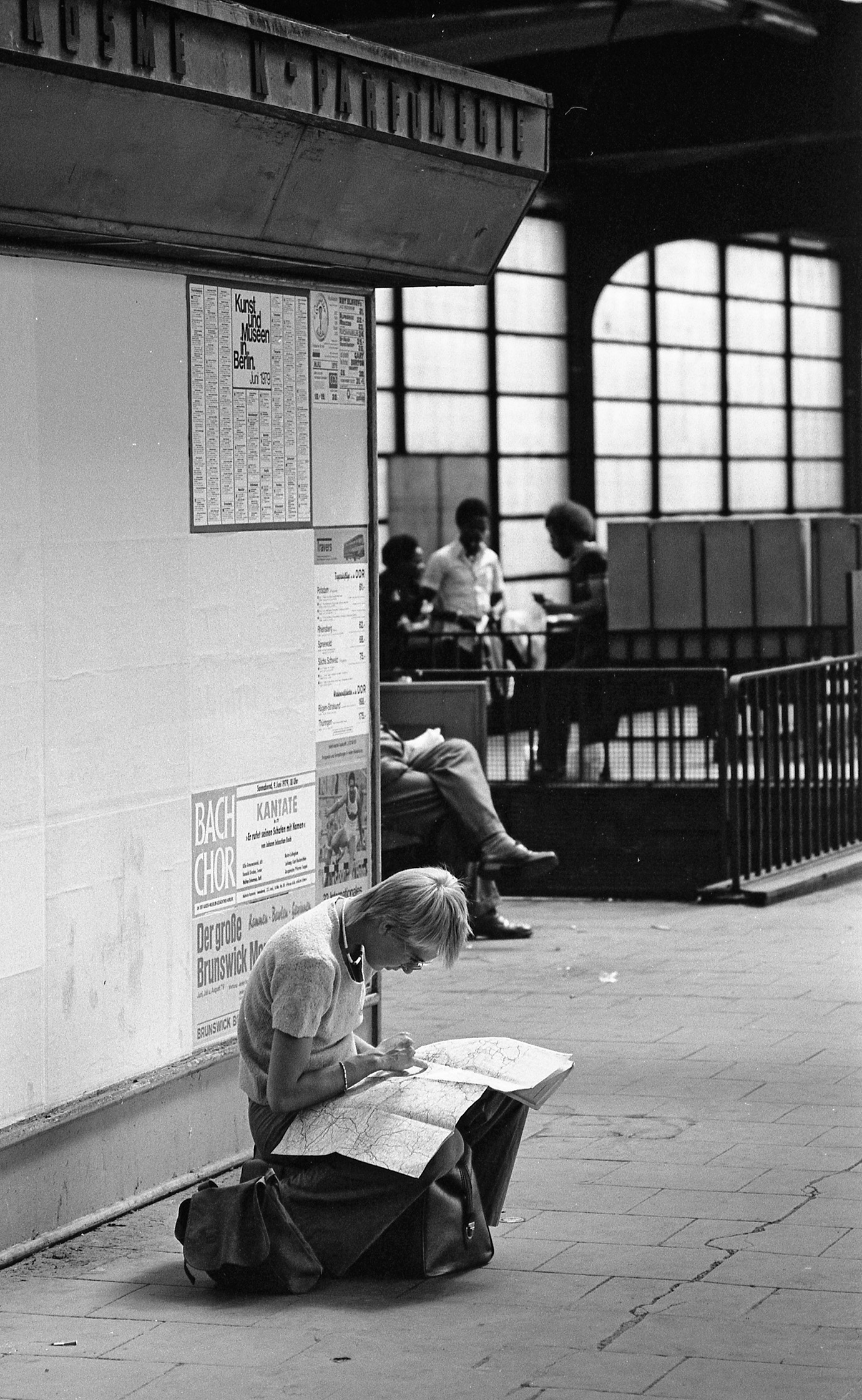
A young woman is sitting on her suitcase, bent over a map. Her finger is resting on the map. In the background, people are waiting on a neighboring train platform.
A freight train passes through the Haldensleben station in the Magdeburger Börde region, circa 1980. The "Einheitslok" (Class 41) from the 1930s, featuring a newly built boiler, is still preserved today. Photo: Burkhard Wollny 1/3

Everyday Life beside Tracks and at Stations

In 1975, Wollny applied for the “temporary ID card” for residents of West Berlin. According to the Berlin Agreement of 1971, this meant it was relatively easy for him to obtain entry visas for the GDR. He felt the pull of the Ore Mountains and the hills of Thuringia and traveled there extensively. Thanks to his unconventional, open nature, he easily came into contact with people and was able to photograph undisturbed. For example, besides the ever-present steam locomotives, Wollny also succeeded in capturing rare insights into everyday life at stations and beside the tracks. The selected photographs range from nostalgic railway romanticism to everyday life in a country that was desperately trying to keep pace with modernity, but in many cases was stuck in backwardness due to economic deficiencies and scarcity of resources.
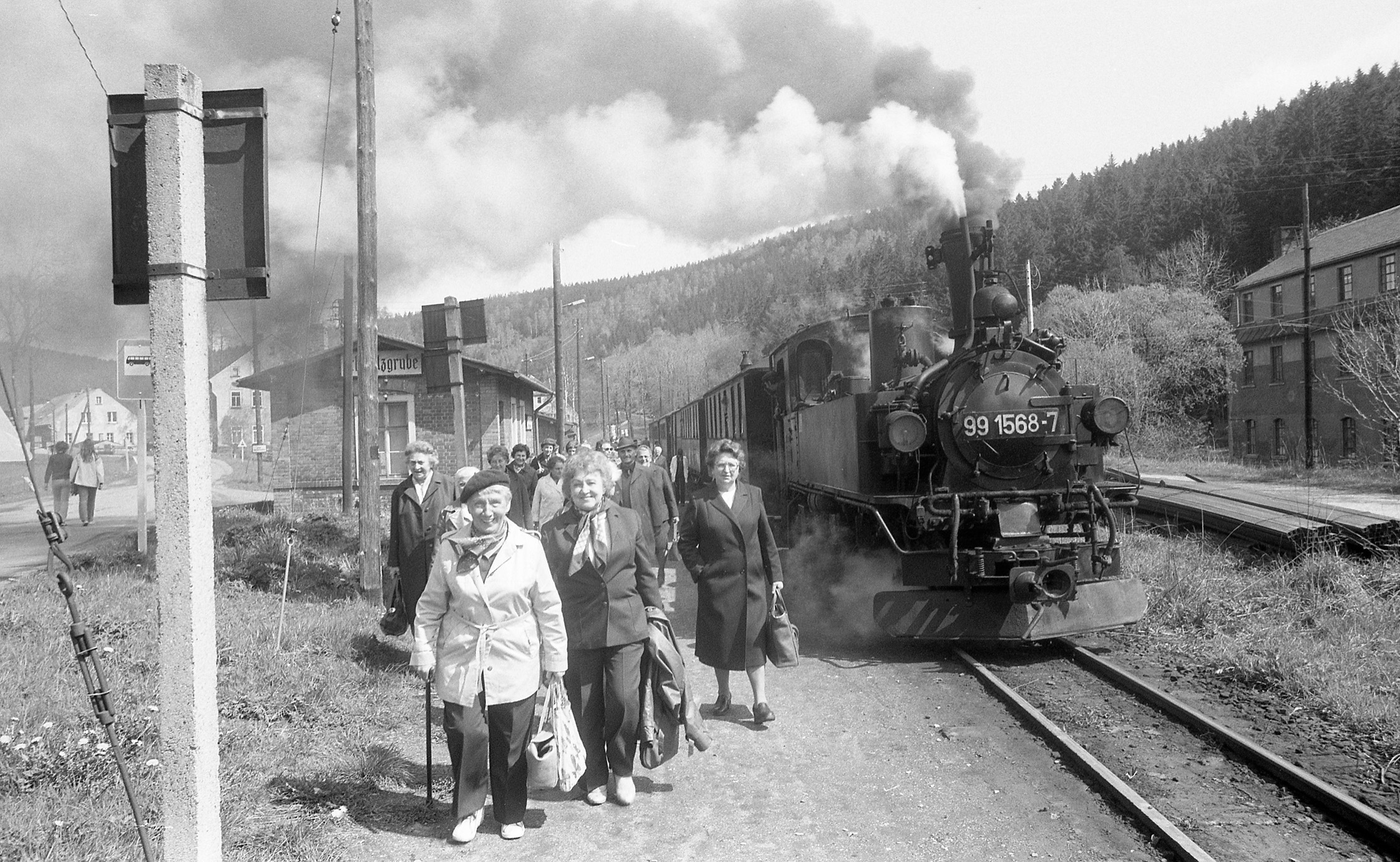
 A small, rural train station with a small, brick station building. A group of people has just arrived on a steaming locomotive and is leaving the station. Several elderly ladies are smiling cheerfully as they do so.
A black-and-white photograph: An elderly railroad crossing guard in uniform stands on a train platform in a rural setting. A steam locomotive approaches from behind.
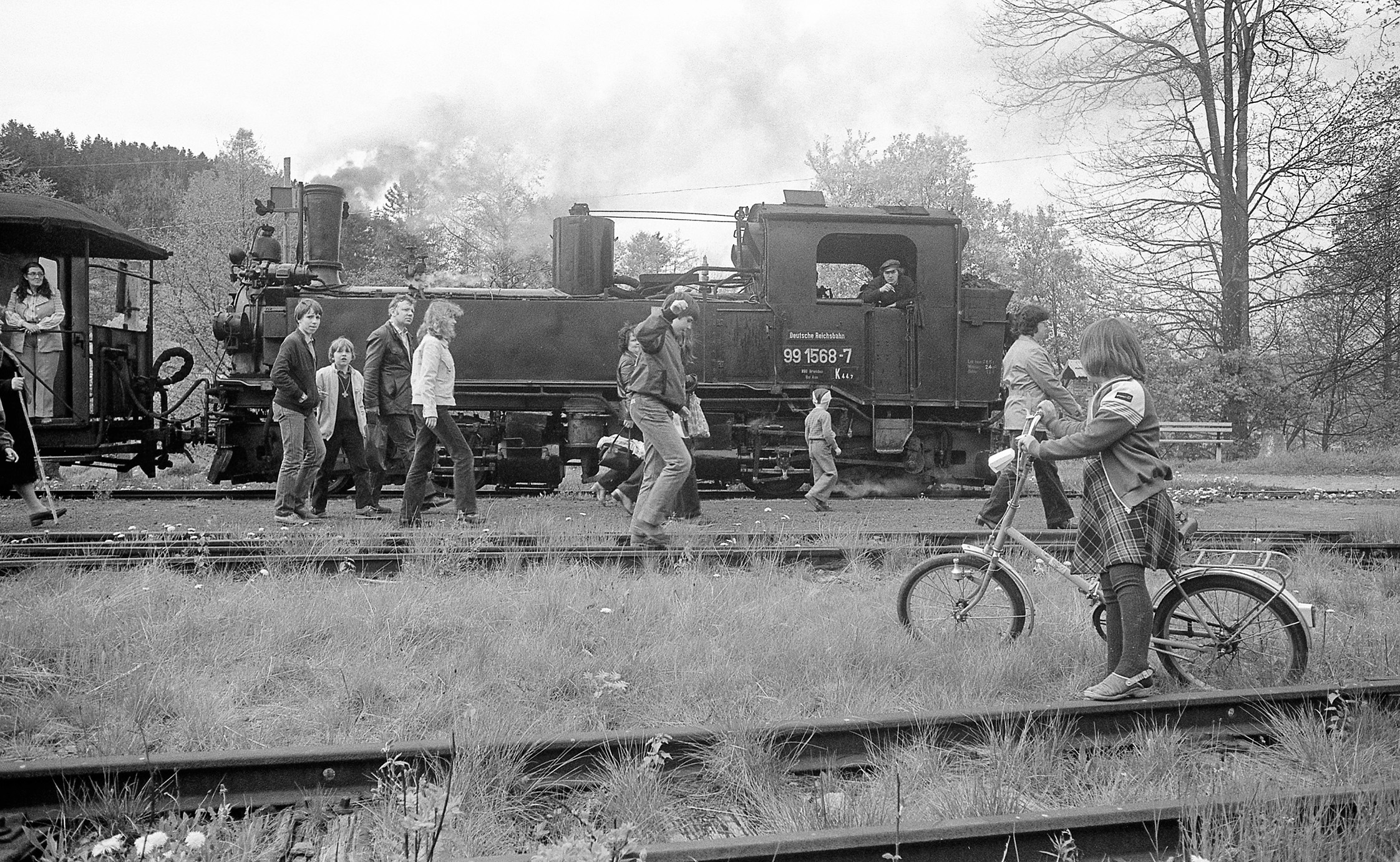
Adults and children are walking across overgrown railroad tracks. Behind them stands a steam locomotive with railcars. A girl is standing next to her bicycle, looking at the stationary steam locomotive that the passersby have just arrived on.
Cheerful passengers in the Ore Mountains. The Saxon IV K-Reko locomotive shown here is currently in museum service on the Preßnitztalbahn line, which reopened after 1990. Photo: Burkhard Wollny 1/3

Der Fotograf

Burkhard Wollny wurde 1950 in Freiburg im Breisgau geboren und wuchs in Stuttgart auf. Mit zehn Jahren besuchte er mit seinem Großvater häufig das Bahnbetriebswerk in Stuttgart. Dort fing er an, die Lokomotiven und Züge mit seiner kleinen Kodak Instamatic zu fotografieren. Später bekam er eine Praktika Spiegelreflexkamera geschenkt, mit der viele der Ausstellungsfotos entstanden. Der erfolgreiche Bankkaufmann und Unternehmensberater Wollny widmete einen Großteil seiner Freizeit seiner Leidenschaft für die Eisenbahnfotografie. Er professionalisierte seine Fotoausrüstung und entwickelte seine Filme selbst. Über die Jahre entstand so ein riesiges Archiv von insgesamt 100.000 Schwarzweißfotos und 96.000 Dias, auf denen verschiedene Eisenbahntypen, Lokomotiven, Züge und Bahnanlagen zu finden sind.
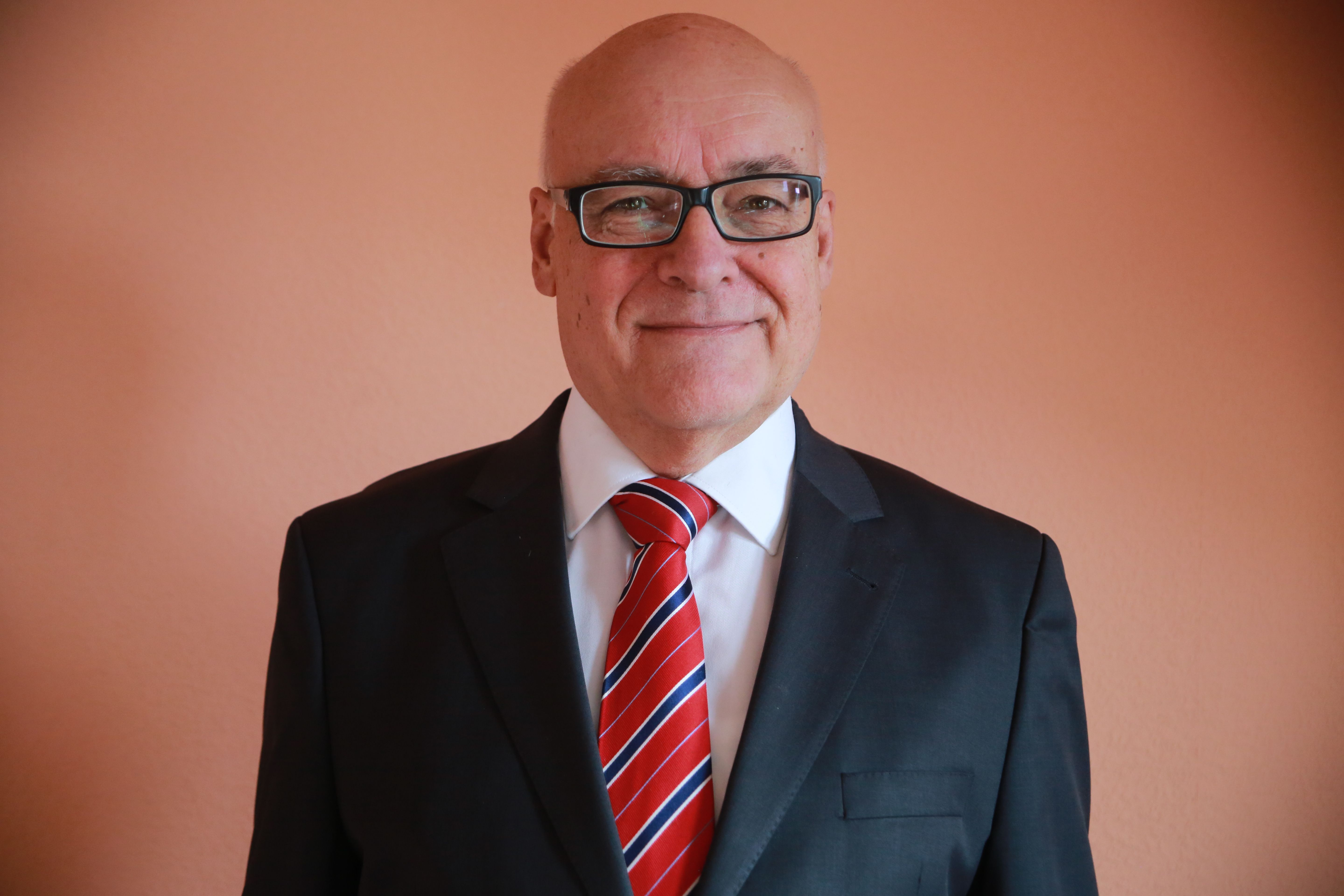
 The photo shows a portrait of photographer Burkhard Wollny standing in a black suit in front of a reddish wall.
Starting in 1975, the man from Baden-Württemberg traveled regularly to the GDR on a “provisional ID card” issued for West Berliners to photograph steam locomotives. SDTB / L. Wollny 1/1

    Film about the exhibition "Life by the Rails"