This website uses cookies

This website uses cookies to improve user experience. By using our website you consent to all cookies in accordance with our Cookie Policy.

Essential cookies enable basic functions and are necessary for the website to function properly.
Statistics cookies collect information anonymously. This information helps us to understand how our visitors use our website.
Marketing cookies are used by third parties or publishers to display personalized advertisements. They do this by tracking visitors across websites.
Jump to main content
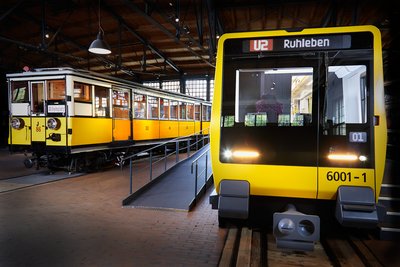
A view of two subway cars standing side by side. Both are yellow. The car on the right looks very modern; the car on the left is a historic vehicle.

Berlin Subway – Yesterday and Tomorrow

1.6.2021 — 29.5.2022

Berlin Subway – Yesterday and Tomorrow

What's it About?

What will subway travel be like in the future? And what was it like to ride the Berlin subway in 1908? It will be possible to make a direct comparison at the Deutsches Technikmuseum.

From A to J

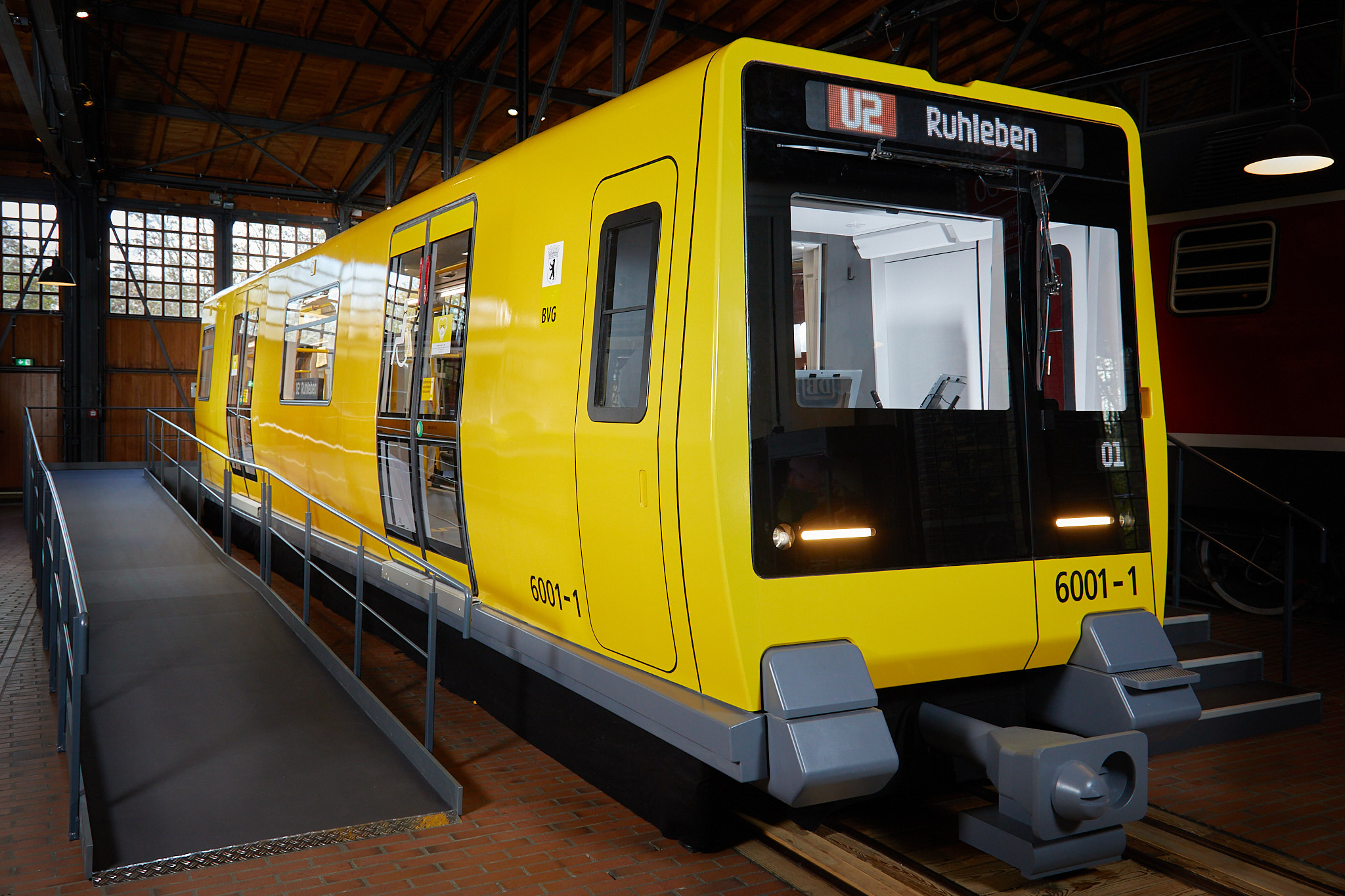
The Deutsches Technikmuseum presents in cooperation with the BVG (public transport company) and the vehicle manufacturer Stadler, until 7 August 2022 a mock-up of the brand new Berlin subway in the Rail Transport Exhibition located in the Engine Sheds. It is a 1:1 model of the new J/JK subway production series that the BVG ordered from Stadler in the spring of 2020.

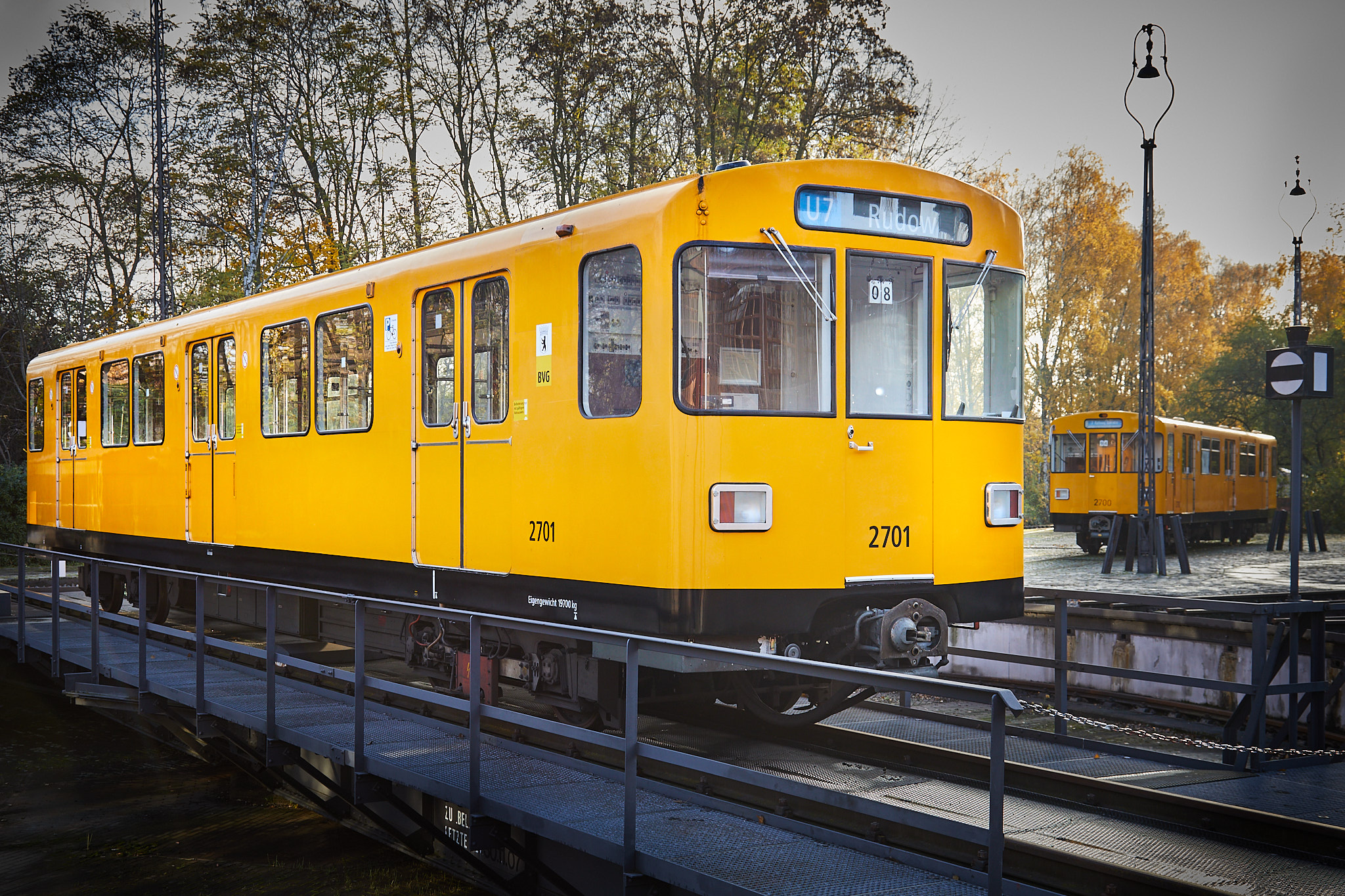
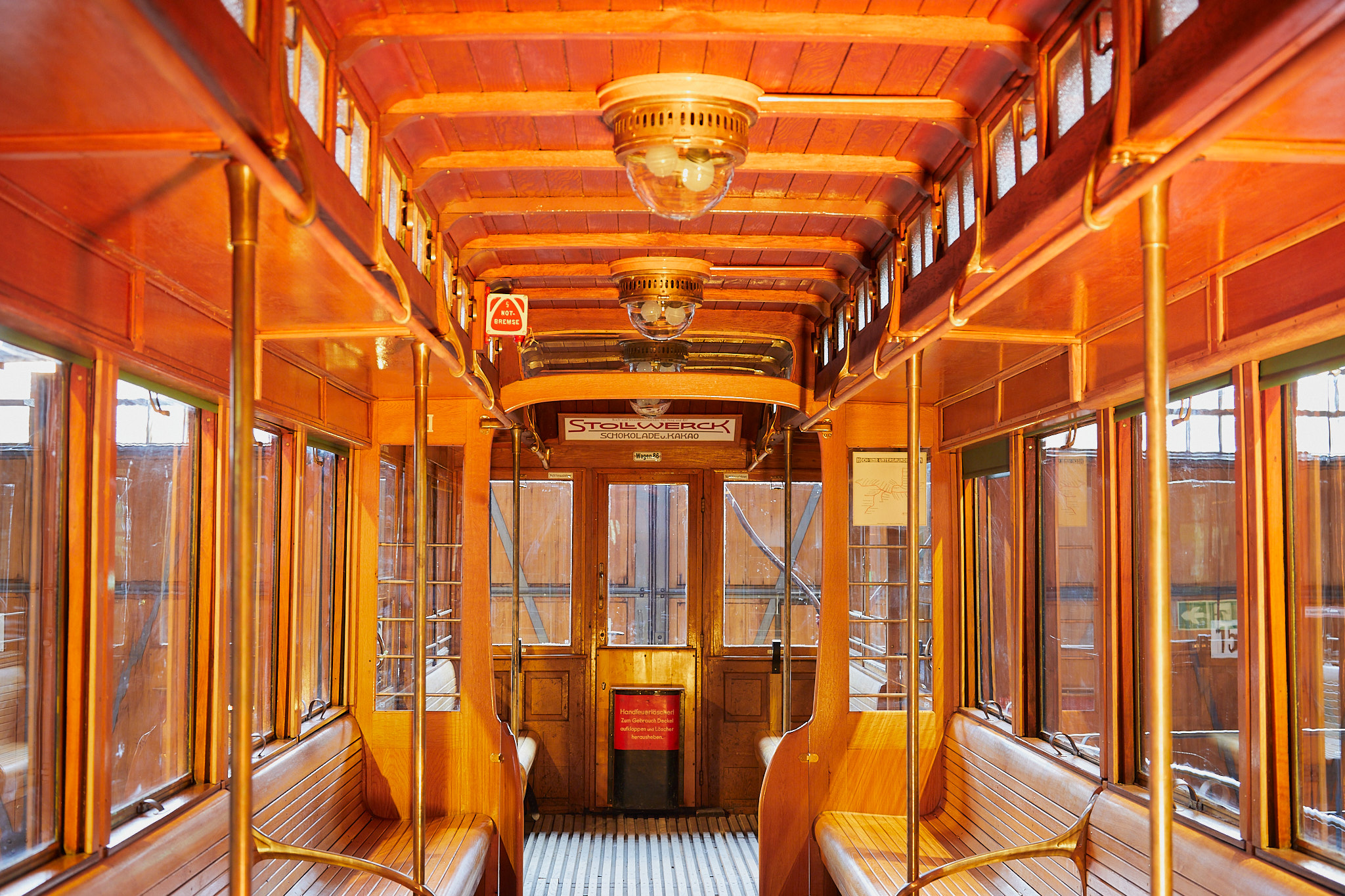
Two historical Berlin subway cars are on display alongside the new arrival. Car 86 of the A1 series from 1908, the oldest surviving subway vehicle in Germany, is located right next to the mock-up on track 15. An F79 series twinset railcar from 1980, which is on display in the museum's outdoor area, rounds out the presentation.

Under the heading “From A to J – Berlin Underground Trains of Yesterday and Tomorrow”, the museum thus covers a span of 170 years, from the beginnings of the Berlin subway in 1902 to its future in 2072. The new trains are expected to be in service for more than 40 years. The subway production series are designated by consecutive letters whereby Berlin has now arrived at the letter “J”..
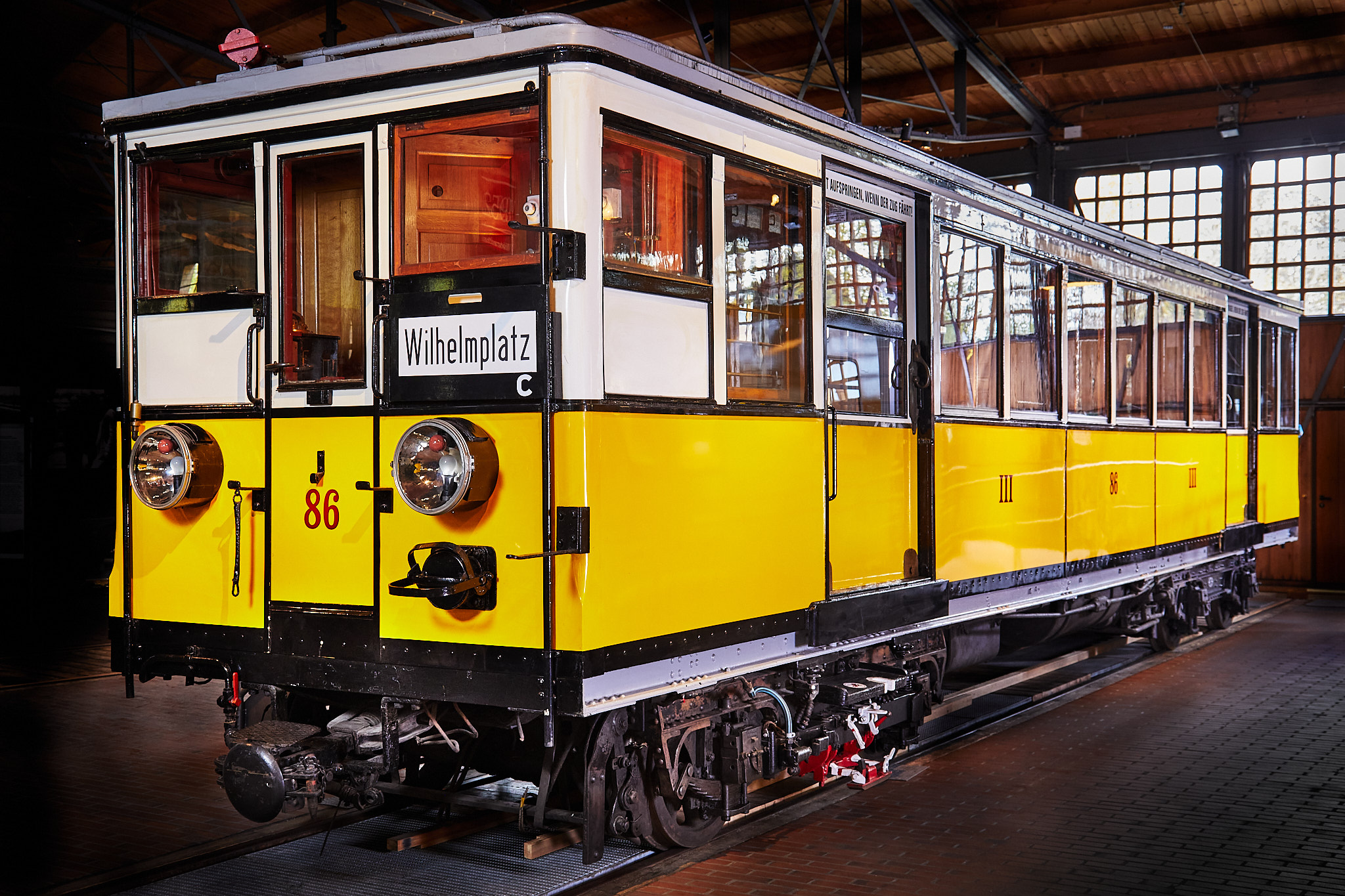
A historic subway car is parked on a track in a locomotive shed. The car is painted yellow and white and has a boxy shape.
A view of the exterior of a subway car. The car is yellow, and the front section is black. The car is parked in a train shed.
A view of an orange subway car standing outdoors on a turntable. Its shape is rounded.
On display to museum visitors for the first time: Car 86 of the A1 series from 1908, the oldest surviving subway car in Germany. SDTB / Photo: Malte Scherf 1/3

360-Degree Model

Fans of the Berlin subway can also virtually time-travel into the future. The trains of tomorrow are ready to be explored by means of a virtual walk-through 360-degree model, from the passenger compartment through the multifunction compartment and into the driver's cab. The whole K series vehicle can be traversed with the click of a mouse. Thanks to the high resolution, it is possible to zoom into every nook and cranny. Multimedia touchpoints utilize texts, audio or video clips to convey information on a variety of aspects such as passenger information, lighting design or user accessibility. The 360-degree model was created by TeamOn GmbH. It is based on approximately 200 individual images from a mock-up. More than 161 million pixels deliver a spectacular sharpness of detail.
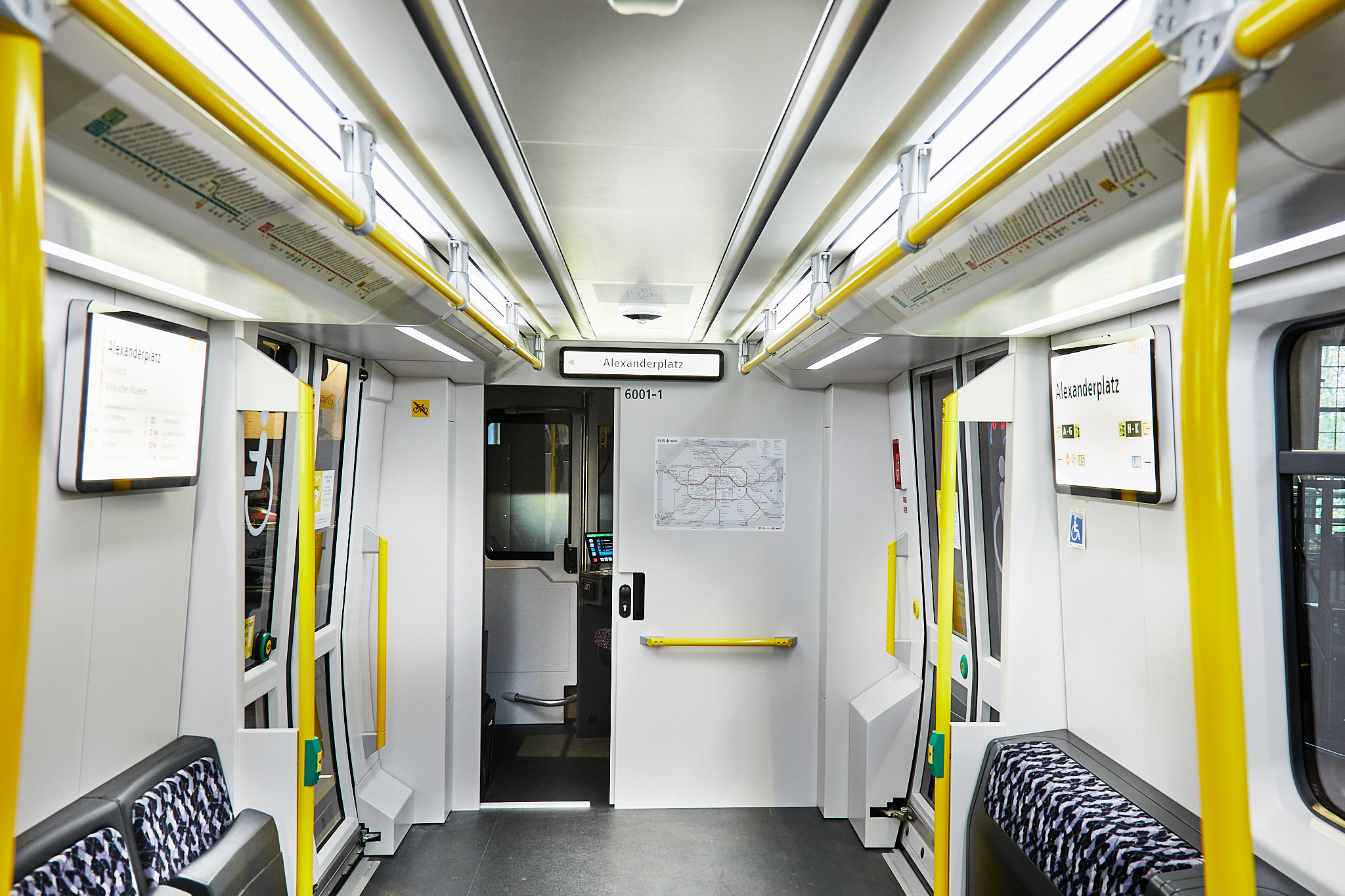
A view inside a subway car. It feels bright and spacious. The seats have a blue-and-black pattern, and the handrails are yellow.
A view of the interior of a historic subway car. The furnishings are made of fine wood, the shapes are curved and elegant, and the design is in the Art Nouveau style.
The Berlin subway system features both narrow-gauge and wide-gauge trains. This poses unique challenges for interior design. Even in the narrow-gauge trains, the goal is to create a sense of spaciousness that comes close to that of the wide-gauge trains. SDTB / Photo: Malte Scherf 1/2