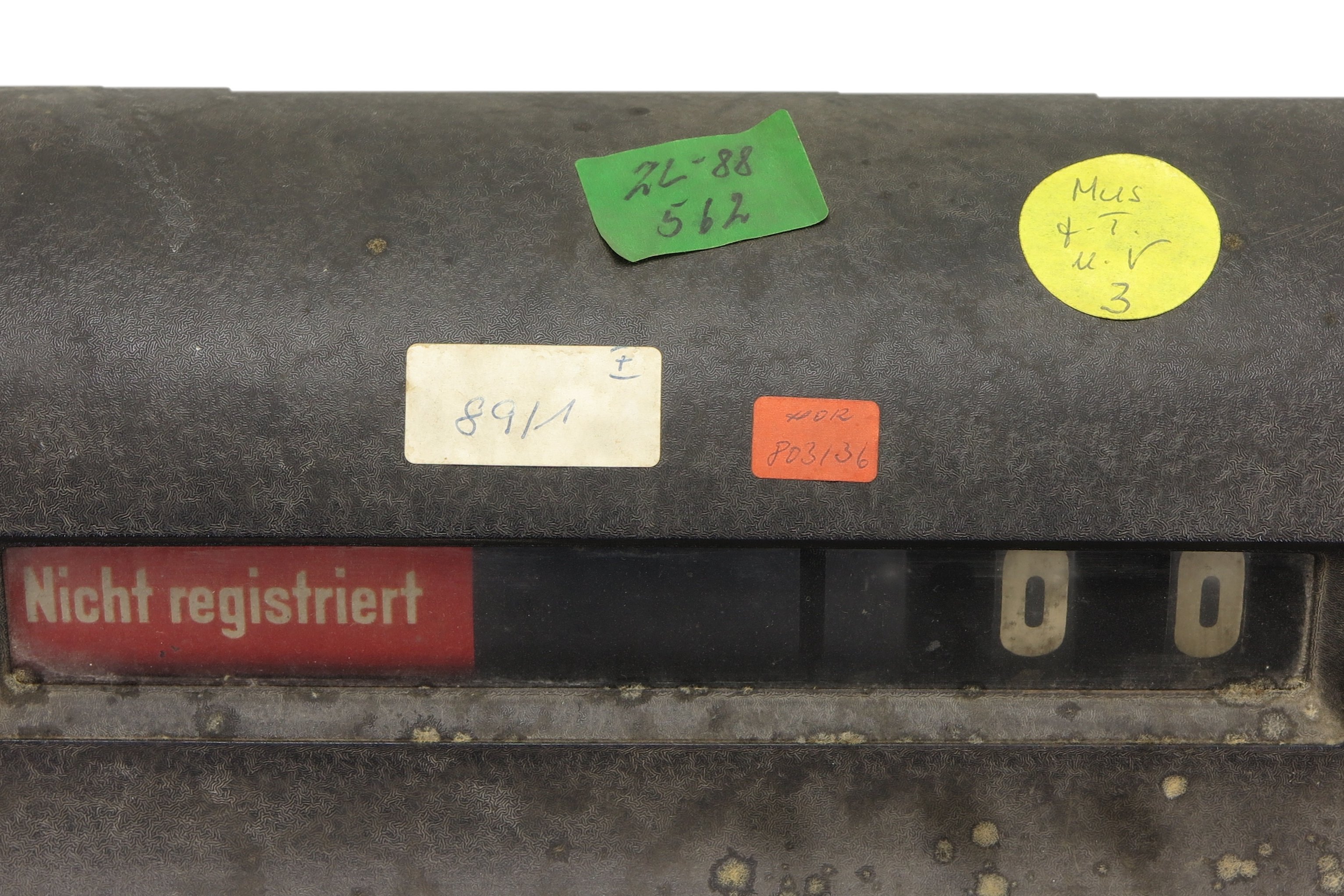
The GDR sold works of art, machines and everyday objects to the West, including to the Deutsches Technikmuseum. Some of these items had previously been privately owned and had only been handed over to the state under duress.
The Founding of the Museum in the 1980s
The Deutsches Technikmuseum, then known as the Museum für Verkehr und Technik (Transport and Technology), was founded in West Berlin in 1982 and opened in 1983. Director Günther Gottmann and his team were focused on setting up and enlarging the collection.
To this end, objects from the former GDR were regularly purchased before the fall of the Berlin Wall in 1989. During that period, technical cultural assets that were no longer so easy to obtain in West Berlin and West Germany could be purchased there. These included working machines that were needed for demonstration purposes in the museum, but also outstanding individual pieces such as a mill, locomotives and wagons, a steamship and historic motor vehicles.
Key Players
In the GDR, the company responsible for these sales was Kunst und Antiquitäten GmbH (KuA), a foreign trade enterprise operating under the “Commercial Coordination” (KoKo) division. The sale of works of art, cultural artifacts, and consumer goods to Western countries was an important source of revenue for the GDR’s national budget.
Among KuA’s customers in West Berlin were “Mecki’s Basar,” “Fantasia,” and the “Antik-Shop” at KaDeWe.
There were also direct contacts between the museum and the KuA. Photos and documents show that museum employees regularly traveled to the town of Mühlenbeck in Brandenburg, where the KuA’s main warehouse was located. Purchases were then usually processed through the “Antik-Shop.”
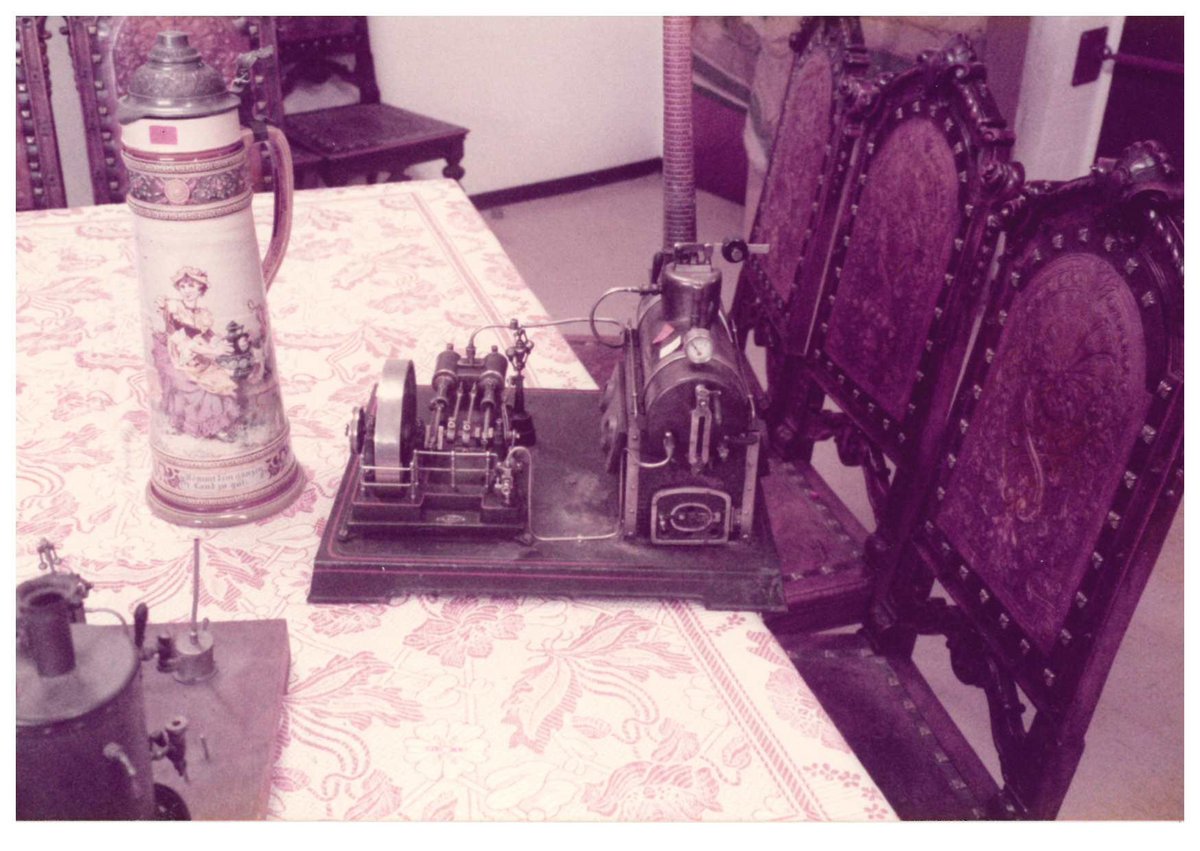
SDTB
How Did these Objects End up on the Market?
The KuA bought its goods directly from private individuals, traders or state-owned companies. But not all sales were voluntary: private company owners were expropriated, the property of fugitives from the Republic was confiscated and collectors were forced to surrender their collections through sham tax proceedings. Museums were also forced to hand over objects from their collections.
Objects from the GDR at the Deutsches Technikmuseum
Research to date has revealed that approximately 170 objects and collections in the Deutsches Technikmuseum's collection — which were acquired before 1990 — originated in the GDR. Research on these items is currently underway.
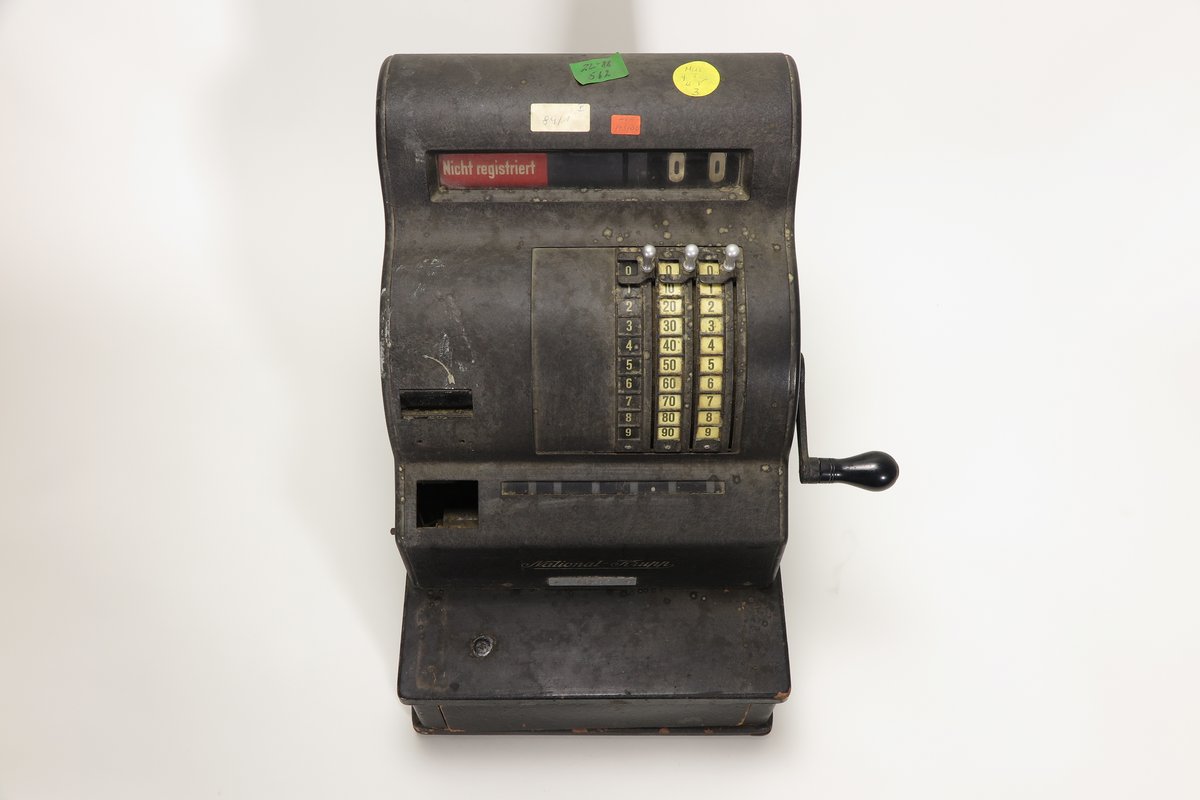
SDTB/ Photo: C. Kirchner
Online Exhibition "Shopping in the GDR"
You can learn more about the acquisitions made by the Deutsches Technikmuseum in the GDR during the 1980s in the online exhibition “Shopping in the GDR: Purchases made in the GDR by the West Berlin Museum of Transportation and Technology.”